In This Article
There’s something quietly powerful about a classic single strand pearl necklace draped across the collarbone. Unlike trendy statement pieces that dominate your jewelry box for a season before collecting dust, a well-chosen pearl strand becomes that reliable companion you reach for time and again—whether you’re heading to a corporate presentation or your best friend’s wedding. Pearls have been treasured for millennia, long known as the “Queen of Gems” throughout recorded history.
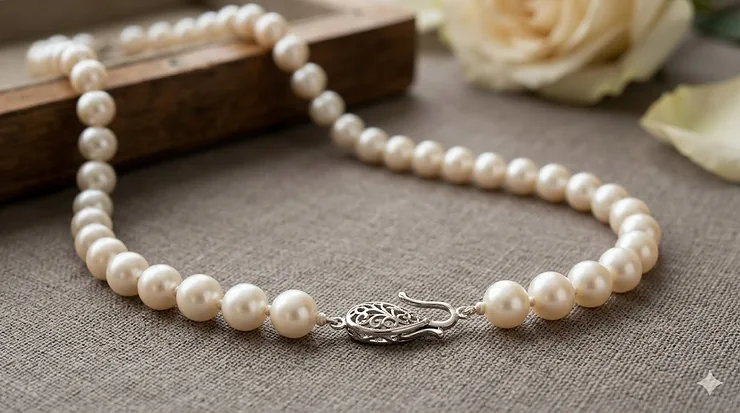
What most people don’t realize is that the “classic” designation isn’t just about aesthetics. The single strand design actually serves a practical purpose: it allows each pearl’s luster to catch light individually, creating that signature glow that multi-strand or clustered designs can’t replicate. When you see someone wearing a pearl necklace and can’t quite look away, it’s usually because of this光学 effect—each pearl acts like a tiny mirror, bouncing light in ways that gemstones can’t.
The market in 2026 offers an interesting paradox. While cultured pearls have made these necklaces more accessible than ever—you can find quality pieces starting around $60—the gap between budget and premium options has also widened dramatically. The difference between a $100 strand and a $500 one isn’t always obvious in photos, but put them side by side and you’ll immediately notice variations in luster quality, surface smoothness, and how the pearls sit against your skin. This guide cuts through the marketing noise to show you exactly what you’re getting at each price point and which features actually matter for your specific needs.
Quick Comparison: Top 7 Classic Pearl Necklaces at a Glance
| Product Name | Pearl Size | Length | Quality Grade | Price Range | Best For |
|---|---|---|---|---|---|
| The Pearl Source Choker | 6.5-7mm | 16″ | AAA | $150-$200 | Everyday elegance, petite frames |
| JYX Pearl Necklace | 7-8mm | 18″ | AA+ | $60-$90 | Budget-conscious buyers, casual wear |
| JORA Classic | 7.5-8mm | 18″ | AA | $80-$120 | Versatile occasions, gift-giving |
| The Pearl Source 14K Gold AAAA | 7.0-7.5mm | 18″ | AAAA | $400-$550 | Special occasions, heirloom quality |
| Pearlyta Premium | 8-9mm | 18″ | AAA | $120-$180 | Statement elegance, formal events |
| New Legend Pearls | 7.5-8mm | 18″ | AAA | $100-$150 | Value seekers, long-term investment |
| umico Genuine Pearl | 7.5-8.5mm | 18″ | AA+ | $70-$110 | First-time pearl buyers, gift sets |
Looking at this comparison, the sweet spot for most buyers falls in the $100-$200 range where you’re getting genuinely high-quality AAA-grade pearls without paying for luxury branding. The jump from AA to AAA quality is noticeable—better surface quality and more consistent luster—but the leap to AAAA territory only makes sense if this piece will be worn weekly or passed down as an heirloom. Budget options under $100 sacrifice some luster consistency, meaning a few pearls in your strand might appear slightly duller than others, though this typically only bothers you if you’re scrutinizing up close.
💬 Just one click — help others make better buying decisions too! 😊
Top 7 Classic Single Strand Pearl Necklaces: Expert Analysis
1. The Pearl Source Real Freshwater Pearl Necklace (16″ Choker Length)
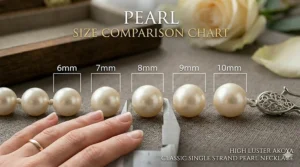
The shorter 16-inch choker length positions this necklace differently than the typical 18 inch pearl necklace you see everywhere—it sits higher on the neck, creating a more vintage-inspired look that pairs exceptionally well with crew necks and high-collared blouses. At 6.5-7mm, these pearls walk the line between subtle and noticeable, which is exactly what you want for a piece you’ll wear three times a week rather than save for special occasions.
The AAA quality grading here translates to pearls with less than 5% surface imperfections and strong luster that creates that signature mirror-like finish. What the product listing won’t tell you is that this size-to-quality ratio is particularly smart—smaller pearls naturally have fewer blemishes because there’s less surface area where flaws can occur, so you’re getting AAA quality at a size where that rating is easier to achieve consistently. The sterling silver fishhook clasp deserves specific mention because it’s designed for people with sensitive skin (hypoallergenic, nickel-free), which matters more than you’d think if you’re someone who can only wear certain metals.
Customer feedback consistently highlights how these pearls maintain their luster even after years of regular wear, assuming you follow basic care (wipe after wearing, store separately). Several buyers mention purchasing as a graduation gift that recipients are still wearing five years later.
Pros:
✅ Choker length offers distinctive styling option vs standard princess length pearl strand
✅ AAA grading at this pearl size delivers exceptional value
✅ Silk-knotted stringing prevents pearl damage if strand breaks
Cons:
❌ Shorter length doesn’t suit all necklines (skip this for V-necks)
❌ 6.5-7mm might feel too delicate if you prefer bolder jewelry
Price range sits around $150-$200, which positions this as a mid-tier investment that punches above its weight in terms of quality-to-cost ratio.
2. JYX Pearl Necklace for Women (7-8mm Classic Round)
Here’s where budget meets practicality. The JYX necklace uses 7-8mm pearls in the traditional pearl necklace format—18 inches, which is considered the universal flattering length for most body types. The AA+ grading means you’re looking at pearls with good luster but potentially 10-15% surface area with minor blemishes. In practice, this translates to a strand that looks polished from a conversational distance but might show slight imperfections if someone examines it up close.
What makes this piece work despite the lower grade is the pearl size selection. At 7-8mm, the pearls have enough presence to create visual impact without requiring the flawless surface finish that larger statement pearls need to justify their size. This is a smart engineering choice that most buyers won’t consciously notice but will appreciate every time they wear it. The sterling silver clasp is functional rather than decorative, which keeps the cost down but might disappoint if you’re someone who appreciates jewelry hardware as much as the pearls themselves.
Customer reviews reveal an interesting pattern: people who buy this as their first pearl necklace tend to be thrilled, while those who already own premium strands note the luster difference. This tells you exactly what you need to know about positioning—it’s an entry point into pearl ownership, not the final destination.
Pros:
✅ 18″ princess length suits the widest range of necklines and body types
✅ 7-8mm size balances presence with budget-friendly pricing
✅ Solid choice for testing whether pearls fit your personal style
Cons:
❌ AA+ grade means some pearls may have visible surface marks
❌ Standard clasp design lacks the refinement of higher-end pieces
In the $60-$90 range, this represents excellent value for casual wear or as a first pearl purchase before committing to investment pieces.
3. JORA Classic Pearl Necklace (7.5-8mm Princess Length)
JORA hits a interesting middle ground with their 7.5-8mm sizing—fractionally larger than budget options but not quite reaching the statement territory of 9mm+ pearls. This matters more than the decimal point suggests because pearl pricing increases exponentially with size, and that extra half millimeter gives you noticeably more presence without the corresponding price jump you’d see going from 8mm to 9mm.
The AA quality grading combined with the 925 sterling silver clasp with adjustable 1.4-inch chain positions this as a gifting powerhouse. That adjustable chain solves a problem most fixed-length necklaces face: the recipient might prefer it sitting slightly higher or lower depending on their torso length and style preferences. The GIA graduation certification adds credibility, though frankly, most buyers won’t know what to do with that certification beyond storing it in the jewelry box.
What separates JORA from similarly-priced competitors is their focus on pearl roundness—these are genuinely spherical rather than the slightly off-round pearls you sometimes see at this price point. Roundness affects how light bounces off the pearl surface, which directly impacts that desirable glow. Several customer reviews specifically mention receiving compliments on “how the necklace catches the light,” which is pearl-speak for “the roundness is good enough to create consistent luster.”
Pros:
✅ Adjustable chain accommodates different styling preferences and body types
✅ 7.5-8mm size delivers strong visual impact for the price bracket
✅ Gift box packaging makes this genuinely gift-ready without additional effort
Cons:
❌ AA grade means accepting some surface imperfections
❌ Clasp design prioritizes function over decorative appeal
Around $80-$120 makes this a smart choice for milestone gifts where you want genuine quality without breaking into savings.
4. The Pearl Source 14K Gold 7.0-7.5mm AAAA Quality (Princess Length)
This is where we transition from “very nice pearl necklace” to “investment piece that appreciates with proper care.” AAAA quality represents the top 1-2% of cultured freshwater pearls—virtually flawless surfaces, mirror-bright luster, and near-perfect spherical shape. The 14K gold clasp isn’t just prettier than sterling silver; gold is softer and less likely to snag fine fabrics, which matters if you’re wearing this with silk or cashmere.
What the AAAA grade really means in practice: you can examine each pearl with a magnifying glass and struggle to find blemishes. This level of quality becomes meaningful if you’re wearing the necklace frequently in situations where people will see it up close—business presentations where you’re leaning over conference tables, dinner parties where you’re sitting across from someone for hours, professional headshots where every detail shows. For occasional wear, the quality difference between AAA and AAAA is honestly overkill unless you’re someone who derives personal satisfaction from owning the best available.
The 7.0-7.5mm sizing is deliberately understated for AAAA quality pearls, which creates an interesting dynamic. Most people buying this quality level go for 8mm+ to maximize the “wow factor,” but keeping pearls slightly smaller creates timeless pearl jewelry that photographs beautifully and never screams for attention. Customers who purchased this report wearing it almost daily without fear of it feeling too formal for everyday contexts.
Pros:
✅ AAAA quality delivers heirloom-grade pearls worth passing down generations
✅ 14K gold clasp suitable for sensitive skin and won’t tarnish
✅ Sizing choice creates versatile piece appropriate for any setting
Cons:
❌ Premium pricing limits this to serious jewelry buyers
❌ Smaller pearl size might disappoint if you want maximum visual impact
The $400-$550 price range reflects genuine quality, not marketing markup—you’re paying for the top 1% of available pearls.
5. Pearlyta White Freshwater Round Cultured Pearl Necklace (8-9mm)
Jumping to 8-9mm pearls creates immediate visual distinction from the 7-8mm standard everybody wears. This size category delivers what jewelry people call “presence”—when someone looks at you, their eye naturally lands on the necklace before consciously registering what caught their attention. The AAA quality at this size means you’re getting pearls that justify their diameter with excellent surface quality and luster.
The individually knotted construction here serves dual purpose: prevents pearl-on-pearl abrasion that can dull luster over time, and ensures if the strand somehow breaks, you lose one pearl instead of watching them all scatter across the floor. At this size and quality, each pearl has genuine value, making the knot investment worthwhile. The sterling silver clasp uses what Pearlyta calls their “upgraded” design, which in practice means it’s sturdier and easier to operate one-handed than basic fishhook clasps.
Customer feedback reveals this necklace performs particularly well in formal settings—weddings, galas, professional events where business formal is expected. The size creates enough presence to stand alone without competing jewelry, which several reviewers note as a convenience factor: throw this on with a little black dress and you’re appropriately accessorized without additional thought.
Pros:
✅ 8-9mm size delivers statement elegance without crossing into ostentatious territory
✅ Individually knotted pearls provide insurance against catastrophic strand failure
✅ AAA quality at larger pearl size represents solid value proposition
Cons:
❌ Larger pearls may overwhelm petite frames
❌ Size and quality make this less suitable for casual daily wear
In the $120-$180 range, this offers formal pearl strands that punch well above their price point in terms of visual impact.

6. New Legend Pearls White Freshwater Cultured Pearl Necklace (AAA-Rated)
New Legend built their reputation on one specific promise: delivering AAA-grade pearls that represent the top 3-4% of production at prices that typically only get you AA quality elsewhere. The 7.5-8mm sizing at AAA grade creates a sweet spot where you’re getting genuinely premium pearls at a size that’s versatile enough for both professional and social settings.
The sterling silver push-button clasp deserves specific attention because it solves a genuine problem with traditional clasps: they require both hands and decent finger dexterity to operate. Push-button designs let you put the necklace on and take it off one-handed, which sounds trivial until you’re trying to get dressed while managing other tasks. The hand-knotted construction uses silk thread, which has more give than synthetic alternatives, creating a more fluid drape that follows your neckline naturally.
What’s particularly noteworthy here is the Certificate of Authenticity from GIA, which provides detailed specifications: gem type, size, surface condition, shape, luster, and nacre thickness. This documentation becomes valuable if you ever need insurance coverage or plan to pass the piece down—it establishes provenance and value in a way that most pearl necklaces lack. Customer reviews consistently mention the presentation: cherry wood lacquered box and microfiber cleaning cloth, which signals the company understands these necklaces are frequently purchased as gifts.
Pros:
✅ AAA grade at competitive pricing delivers exceptional quality-per-dollar
✅ Push-button clasp significantly easier to operate than traditional designs
✅ GIA certification provides documentation valuable for insurance and resale
Cons:
❌ Cherry wood box, while elegant, adds bulk if you travel frequently with jewelry
❌ 7.5-8mm might not satisfy buyers wanting maximum pearl size
Around $100-$150 positions this as the value champion for buyers prioritizing quality over size.
7. umico Genuine Pearl Necklace Strand (7.5-8.5mm)
The slight pearl size variation in umico’s strand (7.5-8.5mm range rather than fixed sizing) reflects how freshwater pearl cultivation actually works—perfectly matched sizes require culling more pearls, which increases cost. By accepting a 1mm variation range, umico delivers near-round pearls with strong luster at a price point that would only get you off-round pearls elsewhere. The AA+ quality means surface finish sits just below AAA standards, with perhaps 8-10% surface area showing minor imperfections.
The heart-shaped sterling silver clasp with white gold plating adds decorative appeal that most clasps in this price bracket skip entirely. While the plating will eventually wear through with regular use (typical lifespan is 2-3 years of frequent wear), it starts looking more elegant than bare sterling silver. The hand-selection process umico emphasizes in their marketing translates to better-than-average matching within the AA+ grade—pearls that graduate near-round rather than off-round, with overtones that coordinate across the strand.
Customer feedback reveals this necklace over-indexes with gift buyers rather than personal purchasers, which tells you something about its positioning. The presentation packaging and heart clasp create a complete gift experience that requires zero additional effort from the buyer, while the price point feels generous without being so expensive it creates gift-receiving awkwardness.
Pros:
✅ Size variation accepted allows better value at this quality level
✅ Heart-shaped clasp adds feminine touch rare at this price point
✅ Well-matched pearl overtones create cohesive appearance despite AA+ grading
Cons:
❌ Size variation means some pearls noticeably larger than others
❌ White gold plating on clasp will wear through with heavy use
The $70-$110 range makes this an excellent choice for first-time pearl buyers testing whether this style suits them before investing more.
How to Choose Your Perfect Pearl Strand: The Decision Framework
Before scrolling through more product pages, work through this quick self-assessment to identify which features actually matter for your specific situation.
If you’re buying for daily wear in professional settings:
Go for 7-8mm pearls in AAA quality. This size reads as polished without being showy, and AAA quality ensures the luster holds up under fluorescent office lighting and frequent handling. The 18 inch pearl necklace length works with most professional wardrobe necklines—button-ups, crew necks, modest V-necks. Prioritize sterling silver clasps over gold to keep costs reasonable since you’ll eventually need restringing anyway (standard lifespan is 2-3 years with daily wear).
If this is a milestone gift (graduation, anniversary, significant birthday):
Size matters here because gifts carry symbolic weight. 8-9mm pearls in AAA or AAAA quality create a piece that feels substantial enough to mark the occasion. Consider princess length pearl strand (18″) as the safest bet unless you know the recipient’s specific preferences. Look for gift-ready presentation (box, certificate, cleaning cloth) because inadequate packaging undermines even high-quality pearls. Budget at least $150-$300 to ensure the quality matches the occasion’s significance.
If you’re building a pearl collection or replacing an inherited piece:
Match or exceed the quality you already own. Wearing mismatched pearl quality in a collection creates visual discord—one strand glowing while another looks dull. If your inherited piece is vintage, it’s likely natural pearls with different characteristics than cultured pearls; in this case, focus on luster matching rather than trying to perfectly replicate size and shape. Consider working with brands that offer customization so you can specify length, overtone, and clasp style.
If you’re testing whether pearl necklaces suit your style:
Start with AA or AA+ quality in the $60-$100 range. There’s no point investing in AAAA quality if you discover pearls don’t actually fit your aesthetic. The 18″ length gives you the most versatility for experimenting with different outfits. Avoid choker lengths for testing since they’re more specialized—you need to already know pearls work for you before committing to less flexible lengths.
Setting Realistic Expectations: What Pearl Quality Actually Means in Daily Life
The grading system (AAA, AAAA) creates anxiety in buyers because the distinctions sound meaningful but the visual differences are subtle to untrained eyes. Here’s what each grade actually delivers in real-world wearing situations:
AA Quality: Pearls will have visible blemishes if you look closely—small marks, slight irregularities, occasional dull spots. From conversational distance (2-3 feet), the strand reads as “nice pearl necklace” without obvious flaws. Luster is good but not mirror-bright. These pearls do the job for casual social situations and everyday wear where no one’s scrutinizing your jewelry.
AA+ Quality: Surface quality improves noticeably—blemishes cover maybe 10% of surface area rather than 15-20%. Luster starts approaching that sought-after glow but might look slightly milky rather than crystal-clear in certain lighting. This grade works well for business professional settings and most social occasions. The improvements over AA quality are visible when comparing strands side-by-side but marginal when worn alone.
AAA Quality: This is where pearls start delivering that “how is her necklace glowing” effect people associate with fine jewelry. Surface blemishes drop to under 5%, luster achieves mirror-bright finish in good lighting, and roundness becomes consistently excellent. AAA represents the sweet spot for most buyers—genuine quality that’s noticeable without requiring expert knowledge to appreciate.
AAAA Quality: The top 1-2% of production. Surfaces approach flawless, luster is exceptional even in poor lighting, and roundness is nearly perfect. The difference between AAA and AAAA becomes meaningful primarily if you’re wearing pearls frequently enough that the marginal quality improvement compounds over hundreds of wearing occasions. Think of AAAA as the grade where pearls become legitimate family heirlooms worth passing down.
Common Mistakes When Buying Classic Single Strand Pearl Necklaces
Mistake #1: Assuming “cultured” means “fake”
Cultured pearls are real pearls—genuine nacre formed inside mollusks, just with human assistance starting the process. Natural pearls are actually rarer and more expensive, but they’re not inherently “better” than high-quality cultured pearls. When listings specify “genuine cultured freshwater pearls,” that’s authentic pearl material, not imitation. The confusion stems from marketing that doesn’t clearly explain what “cultured” means, leading buyers to think they’re getting something synthetic.
Mistake #2: Ignoring clasp quality and material
That sterling silver or 14K gold clasp isn’t just decorative—it’s the structural weak point in your necklace. Cheap clasps fail, and when they do, you’re watching pearls scatter across concrete. Beyond failure risk, clasp metal matters for people with metal sensitivities (nickel allergies are common). Hypoallergenic, nickel-free clasps cost slightly more but prevent the neck irritation that makes an otherwise beautiful necklace unwearable. If you have sensitive skin, this specification isn’t optional.
Mistake #3: Choosing length based on trends rather than body proportions
The 18″ princess length works for most people, but “most” isn’t everyone. Shorter necks look better with 16″ choker lengths that don’t create visual shortening. Longer torsos benefit from 20″+ matinee lengths that create better proportions. Buying based on what’s “classic” or “standard” without considering your actual measurements leads to necklaces that sit awkwardly and never get worn.
Mistake #4: Prioritizing pearl size over pearl quality
Larger pearls catch attention, but large pearls with poor surface quality and weak luster just look like large beads. A 7mm AAA pearl will outperform a 9mm AA pearl every time in terms of visual appeal. Size creates presence, but quality creates beauty. If budget forces a choice, opt for smaller pearls with better quality rather than larger pearls that sacrifice surface finish and luster.
Mistake #5: Not planning for maintenance and restringing
Pearl necklaces aren’t buy-and-forget jewelry. The silk thread degrades over time, especially with regular wear. Budget $40-$80 every 2-3 years for professional restringing if you wear your pearls frequently. Store pearls separately from other jewelry to prevent scratches. Wipe with a soft cloth after wearing to remove oils and cosmetics. Buyers who treat pearls like gold chains (throw in jewelry box, never clean, wear constantly) end up with prematurely degraded strands.
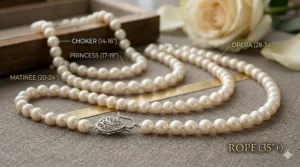
Pearl Necklace Lengths Decoded: Which Suits Your Lifestyle
The length designation isn’t arbitrary—each creates distinct styling possibilities and practical implications for daily wear.
Choker Length (16″)
Sits snugly at the base of the neck, creating vintage-inspired elegance. Works beautifully with strapless dresses, off-shoulder tops, and high-collar blouses. Less versatile than princess length because it doesn’t work with crew necks or turtlenecks (creates visual bunching). Best for people who love feminine, retro aesthetics and have a collection of dresses and blouses that complement this length. Choker lengths feel more formal, making them less suitable for casual daily wear.
Princess Length (18″)
The universal flattering length that works with 80% of necklines. Falls just below the collarbone, creating visual interest without competing with face or outfit. This is the safest choice if you’re buying as a gift or building your first pearl collection. Princess length transitions seamlessly from business casual to formal events. The only necklines that don’t work well are extreme V-necks (pearls disappear into the neckline) and turtlenecks (sit awkwardly above the fold).
Matinee Length (20-24″)
Adds drama and vintage flair while remaining appropriate for most social settings. Falls at or slightly below the top of the bust line, creating elegant vertical lines that flatter most body types. This length works particularly well for evening events and formal occasions where you want your jewelry to make a statement. Less practical for daily professional wear because the length can interfere with laptop work or catch on things, but excellent for social events.
Opera Length (30″+)
Enters statement territory—this isn’t subtle jewelry. Can be worn as a single long strand or doubled for a layered look. Opera lengths work best for dramatic evening wear, formal galas, or creative professional settings where bold accessories are welcomed. The length creates versatility (wear long, double it, knot it), but the styling required means these aren’t casual “grab and go” pieces.
Caring for Your Pearl Investment: Maintenance That Actually Matters
Pearl care advice online ranges from paranoid (never wear them) to negligent (treat them like any jewelry). Here’s what actually affects pearl longevity:
The “last on, first off” rule genuinely matters. Perfume, hairspray, lotion, and makeup contain chemicals that dull pearl luster over time. Put your traditional pearl necklace on after applying all cosmetics, and remove it before your evening skincare routine. This single habit extends the time between necessary professional cleanings by years. Understanding proper pearl care is essential for maintaining their beauty over decades.
Wipe after each wear, not when they look dirty. Use a soft, slightly damp cloth to remove skin oils and residue after wearing. Waiting until pearls look dull means the damage is already done—you’re removing buildup that’s already degraded the nacre surface. This takes 30 seconds and prevents 90% of luster degradation.
Storage matters more than you think. Store pearls separately from other jewelry in a soft cloth pouch or padded box. Metal jewelry scratches pearls, and pearls kept in airtight containers can dehydrate (yes, really—nacre contains water). The ideal storage is a fabric-lined box in a non-humid environment, away from direct sunlight.
Professional restringing isn’t optional for frequently-worn strands. Silk thread stretches and weakens with wear. If you wear your pearls weekly, plan for restringing every 2-3 years. Signs you need restringing: visible stretching between pearls, darkened or frayed thread visible between pearls, loose knots. Most jewelers offer restringing for $40-$80, and some pearl sellers include one free restringing with purchase.
Don’t panic about occasional exposure. Pearls are more resilient than pearl-care anxiety suggests. Occasional exposure to perfume or getting caught in rain won’t destroy them. It’s consistent, repeated exposure without cleaning that creates problems. If your pearls get perfume sprayed on them, wipe them promptly and they’ll be fine.
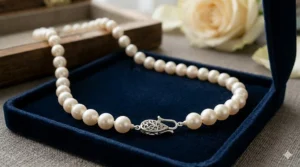
Classic vs. Modern: Understanding Pearl Necklace Style Evolution
The term “classic single strand” implies unchanging tradition, but pearl styling has actually evolved significantly even while maintaining that fundamental single-strand structure.
Traditional styling emphasizes uniform pearl size and perfectly graduated strands where pearls subtly increase in size toward the center. Clasps were purely functional, often hidden. This aesthetic dominated from the 1950s through the 1990s and remains the preference for conservative professional settings and formal occasions. The evolution of pearl jewelry in fashion reflects changing social attitudes toward luxury and formality.
Contemporary interpretations embrace slight size variations as character rather than flaw, visible decorative clasps as design elements, and mixing pearl types (freshwater with baroque) in single strands. This evolution makes pearls feel less formal and more accessible for everyday wear.
The return of “imperfection” in 2025-2026 has created renewed interest in baroque pearl necklaces and strands with visible character—natural pits, slight shape variations, unique overtones. This trend responds to decades of pursuing “perfect” pearls by celebrating the organic nature of pearl formation. Interestingly, this doesn’t devalue traditional uniform strands; it simply expands the definition of what counts as desirable.
For buyers, this evolution means you have permission to choose based on personal aesthetic rather than strict tradition. A standard pearl length strand with perfectly matched pearls isn’t “better” than a more organic strand with character—they serve different style purposes and contexts.
Pearl Myths Debunked: What You Don’t Need to Worry About
Myth: You need to wear pearls regularly or they’ll dry out and crack
Reality: While pearls do contain trace moisture, properly stored pearls don’t require wearing to maintain integrity. This myth comes from pearls stored in bank vaults with controlled humidity that became brittle, but typical household storage provides adequate moisture. Wearing is beneficial (body oils help maintain luster), but unworn pearls in normal home conditions won’t crack.
Myth: Only old-fashioned people wear pearl necklaces
Reality: Pearl styling has diversified dramatically. Layering pearl necklaces with other chains, wearing them with casual denim, and mixing pearl types creates contemporary looks that work for any age. The “pearls are for grandmothers” stereotype stuck because most pearl marketing still targets older demographics, but actual pearl buyers in 2026 skew younger than ever.
Myth: Freshwater pearls are inferior to saltwater pearls
Reality: Quality matters more than origin. Top-grade freshwater pearls (AAAA) rival mid-grade Akoya saltwater pearls in luster and surface quality at lower prices. Saltwater pearls have traditionally commanded premiums, but modern freshwater cultivation has dramatically improved quality. Unless you’re specifically seeking the unique characteristics of Tahitian or South Sea pearls, freshwater pearls deliver excellent value.
Myth: Pearls lose value and aren’t an investment
Reality: High-quality pearls from reputable sellers maintain value better than most fashion jewelry. They’re not appreciating assets like rare gemstones, but a $400 AAAA strand doesn’t become worthless with age—it remains a $400 strand. Pearls become “investment” pieces when they’re worn regularly and maintained properly, providing value through years of wear rather than resale profit.
Frequently Asked Questions
❓ How long should a classic single strand pearl necklace last with regular wear?
❓ Can I shower or swim wearing my pearl necklace?
❓ What's the difference between 16 inch and 18 inch pearl necklace lengths for everyday wear?
❓ How can you tell if a pearl necklace is real or fake?
❓ Do I need to match my pearl necklace to my earrings, or can I mix pearl sizes?
Conclusion: Choosing Timeless Elegance That Suits Your Life
The perfect classic single strand pearl necklace exists at the intersection of quality you can see, length that flatters your proportions, and pricing that matches how you’ll actually use the piece. If you’ve read this far, you’ve encountered a theme: the “best” pearl necklace depends entirely on your specific context—daily wear, occasional formal events, milestone gift, heirloom building, or style experimentation.
For most buyers, the sweet spot falls in the AAA quality range at 7-8mm in 18″ princess length, priced around $150-$250. This combination delivers genuine quality that photographs beautifully and suits most occasions without requiring special-event justification to wear. Brands like The Pearl Source, New Legend Pearls, and JORA deliver reliable quality in this range with presentation worthy of gift-giving and warranties that back up durability claims.
If you’re building a pearl collection or replacing a cherished inherited piece, invest in AAAA quality even though the price point requires more consideration. These are the pearls you’ll still be wearing (and potentially passing down) in 20 years, making the per-wear cost negligible despite the higher initial investment.
For first-time pearl buyers testing whether this style suits you, start with AA+ quality in the $60-$100 range from JYX or umico. There’s no point investing in premium quality until you’ve confirmed pearls fit your aesthetic and lifestyle. You can always upgrade later if pearls become a signature element of your style.
Remember that timeless pearl jewelry isn’t about following rules—it’s about choosing pieces that enhance your confidence and suit how you actually live. A classic single strand pearl necklace that stays in your jewelry box isn’t classic, it’s just expensive. The right choice is the strand you reach for repeatedly because it makes getting dressed easier, not harder.
Recommended for You
- 7 Best Golden South Sea Pearl Necklaces: Expert Guide 2026
- 7 Best Tahitian Black Pearl Necklaces – 2026
- 7 Best Certified Akoya Pearl Necklace Picks for 2026
Disclaimer: This article contains affiliate links. As an Amazon Associate, I earn from qualifying purchases. If you purchase products through these links, we may earn a small commission at no additional cost to you.
✨ Found this helpful? Share it with your friends! 💬🤗
