In This Article
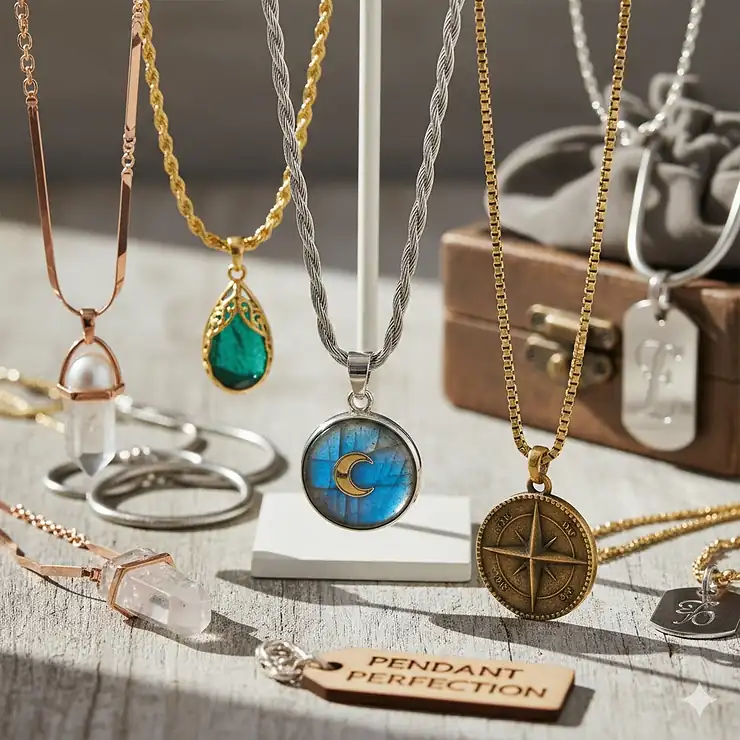
You’ve finally found that perfect pendant—maybe it’s a cherished heirloom, a meaningful symbol, or just something that caught your eye. But here’s the thing: even the most stunning pendant deserves a chain that does it justice. I learned this the hard way when my grandmother’s delicate locket ended up on a chunky rope chain that looked, well, let’s just say “unbalanced.”
Choosing among the best chain necklace types for pendants isn’t just about aesthetics. It’s about finding that sweet spot between strength and style, durability and delicacy. Will your chain support a heavy statement piece or showcase a dainty charm? Can it withstand daily wear without tangling into knots that would frustrate a sailor?
In this guide, you’ll discover everything from classic cable chains to sophisticated box chains, along with real-world insights on which chains work best for different pendant weights. Whether you’re looking for a sturdy chain for heavy pendant pieces or something elegant for everyday wear, we’ve got you covered with tested products and honest comparisons.
Quick Comparison Table: Top Chain Types at a Glance
| Chain Type | Best For | Weight Capacity | Durability | Price Range | Tangle Risk |
|---|---|---|---|---|---|
| Box Chain | Medium-heavy pendants | High | Very Good | $20-$50 | Low |
| Cable Chain | Light-medium pendants | Medium-High | Excellent | $15-$40 | Very Low |
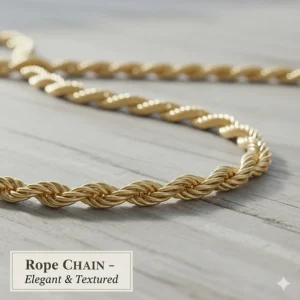
| Rope Chain | Statement pieces | Very High | Excellent | $25-$60 | Low |
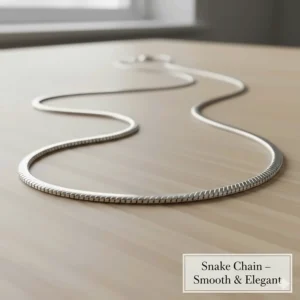
| Snake Chain | Delicate pendants | Low-Medium | Good | $15-$35 | Medium |
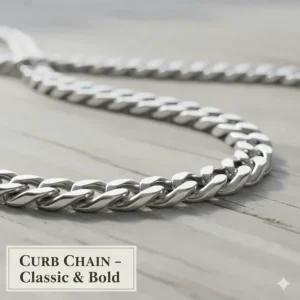
| Curb Chain | Heavy pendants | Very High | Excellent | $30-$70 | Very Low |
💬 Just one click – help others make better buying decisions too! 😊
Top 7 Best Chain Necklace Types for Pendants: Expert Analysis
1. Amazon Essentials Sterling Silver Box Chain – Best Budget-Friendly Option
When you want quality without emptying your wallet, this 0.8mm box chain delivers surprising value. Made from genuine .925 sterling silver with anti-tarnish coating, it’s perfect for small to medium pendants.
Key Specifications:
- Width: 0.8mm (delicate profile)
- Material: Sterling silver with hypoallergenic properties
- Length options: 16″, 18″, 20″
Price Range: $15-$25
Customers praise its versatility for layering and stacking. One reviewer mentioned wearing it daily for six months with minimal tarnishing. However, some note the thin profile isn’t suitable for heavier statement pendants.
✅ Pros:
- Affordable everyday option
- Anti-tarnish coating extends shine
- Perfect for pendant stacking
❌ Cons:
- Too delicate for heavy pendants
- Spring ring clasp can be fiddly
2. Miabella Italian 925 Sterling Silver 2mm Box Chain – Premium Italian Craftsmanship
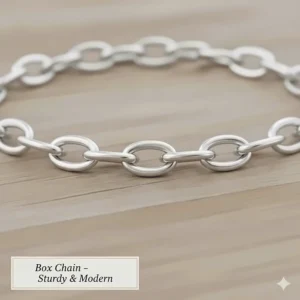
This authentic Italian-made chain represents the gold standard in box chain construction. At 2mm width, it strikes an ideal balance between durability and elegance for pendant compatible chains.
Key Specifications:
- Width: 2mm (substantial feel)
- Made in Italy with LIRM authentication
- Lobster clasp for security
- Nickel-free, hypoallergenic
Price Range: $30-$50 (varies by length)
Customer feedback consistently highlights the solid construction and beautiful polish. The chain weight capacity easily handles medium to heavy pendants. One buyer noted it held a 15-gram pendant perfectly without any sagging.
✅ Pros:
- Authentic Italian craftsmanship
- Handles heavier pendants well
- Lifetime durability with proper care
❌ Cons:
- Higher price point
- Box chains can occasionally catch hair
3. Kooljewelry Yellow Gold Plated Sterling Silver Rope Chain – Best for Visual Impact
Rope chains create a lustrous effect when light reflects off their varied surface, making this 1.1mm gold-plated option a showstopper. The twisted design provides exceptional strength for its delicate appearance.
Key Specifications:
- Width: 1.1mm
- Gold plated over .925 sterling silver
- Spring ring clasp
- Made in Italy
Price Range: $22-$35
Buyers love the sophisticated look that pairs beautifully with both modern and vintage pendants. The rope chain necklace for pendant use has earned praise for holding its shape without kinking. Several reviews mention it’s their go-to for special occasions.
✅ Pros:
- Eye-catching twisted design
- Strong despite delicate appearance
- Comes with anti-tarnish storage
❌ Cons:
- Gold plating may wear over time with heavy use
- Best suited for lighter pendants
4. Jewlpire 18K Gold Plated Cable Chain – Best Everyday Workhorse
Talk about a reliable companion! This 1.1mm cable chain made from sterling silver with 18K gold plating is the definition of “set it and forget it.” Cable chains are probably the easiest chain style to maintain and repair.
Key Specifications:
- Width: 1.1mm
- 18K gold plated 925 sterling silver
- Spring-ring clasp
- Multiple length options (14-24″)
Price Range: $18-$28
Customer reviews emphasize the no-nonsense durability and tangle-free design. One enthusiastic buyer mentioned wearing theirs in the shower for months without any issues (though we don’t necessarily recommend that!). The chain durability comparison shows cable chains outlast many alternatives.
✅ Pros:
- Nearly impossible to kink or tangle
- Easy to repair if needed
- Great value for quality
❌ Cons:
- Common style (won’t stand out)
- Thin profile limits pendant weight
5. PAVOI Italian Solid 925 Sterling Silver Box Chain – Ultra-Delicate Statement
For those who appreciate minimalist elegance, PAVOI’s 0.6mm box chain is as delicate as jewelry gets while maintaining structural integrity. This is perfect for showcasing tiny charms without overwhelming them.
Key Specifications:
- Width: 0.6mm (ultra-thin)
- Made in Italy
- 22K white gold plated option
- Hypoallergenic, sustainable materials
Price Range: $15-$22
Reviews highlight the barely-there feel and beautiful drape. Customers appreciate PAVOI’s commitment to sustainability (100% recycled materials, 99% recycled packaging). One reviewer called it “the perfect layering piece” for creating dimension with multiple chains.
✅ Pros:
- Feather-light comfort
- Eco-friendly production
- Ideal for dainty pendants
❌ Cons:
- Too delicate for anything but lightweight pendants
- Requires gentle handling
6. 925 Sterling Silver 1.3mm Cable Chain – Island-Inspired Quality
This Hawaiian-made cable chain brings a touch of artisan quality with its carefully inspected links. The 1.3mm width offers more substance than ultra-thin alternatives while maintaining that classic cable aesthetic.
Key Specifications:
- Width: 1.3mm
- Solid .925 sterling silver
- Made with Italian techniques in Vicenza
- Spring clasp closure
Price Range: $24-$35
Buyers rave about the hand-inspection quality control and the slightly heavier feel compared to mass-produced alternatives. Several customers mentioned it pairs perfectly with medium-weight pendants around 5-8 grams.
✅ Pros:
- Artisan-quality craftsmanship
- Slightly thicker for better pendant support
- Beautiful shine retention
❌ Cons:
- Limited length options
- Higher price for cable style
7. Sterling Silver 3mm Heavy Weight Box Chain – Built for Serious Pendants
When you need a sturdy chain for heavy pendant pieces, this 3mm Italian-made box chain is your answer. Box chains have a sleek and simple look which pairs well with a modern look, and at this width, they can handle substantial weight.
Key Specifications:
- Width: 3mm (heavy-duty)
- Solid .925 sterling silver
- Made in Italy
- Mirror-cut square links
- Nickel-free, hypoallergenic
Price Range: $35-$60 (varies by length)
Customer feedback emphasizes the substantial feel and impressive weight capacity. One male buyer noted it “doesn’t look tiny” and holds a silver dollar pendant without issue. Female customers also appreciate it for edgy layering looks.
✅ Pros:
- Handles heaviest pendants with ease
- Substantial, quality feel
- Unisex appeal
❌ Cons:
- May be too chunky for delicate pendants
- Higher price point reflects quality
✨ Don’t Miss These Exclusive Deals!
🔍 Take your pendant styling to the next level with these carefully selected chains. Click on any highlighted product name to check current pricing and availability on Amazon. These chains will help you create authentic looks that showcase your favorite pieces perfectly!
Understanding Chain Anatomy: What Makes a Chain Strong?
Before diving deeper into specific chain types, let’s talk about what actually makes a chain capable of supporting your precious pendants. Think of it like understanding car engines—you don’t need to be a mechanic, but knowing the basics helps you make smarter choices.
Link Structure and Design
According to Wikipedia’s comprehensive guide on jewelry chains, jewellery chains are typically made from precious metals, mainly gold and silver, because they are not very reactive and keep both their intricate shape and their strength. But it’s not just about the metal—it’s about how those links connect.
Closed-link chains (like cable and rope) offer maximum durability. Each link passes through the next, creating a continuous chain that distributes weight evenly. Open-link chains (like some decorative styles) may look fancy but can be weaker at connection points.
Material Thickness and Quality
Here’s where the chain weight capacity conversation gets interesting. A 1mm sterling silver chain might look identical to a 1.5mm chain in photos, but that 0.5mm difference dramatically impacts what it can carry. Generally:
- 0.6-1.0mm chains: Lightweight pendants only (under 3 grams)
- 1.0-2.0mm chains: Light to medium pendants (3-10 grams)
- 2.0-3.0mm chains: Medium to heavy pendants (10-20 grams)
- 3.0mm+ chains: Heavy statement pieces (20+ grams)
Clasp Construction Matters Too
I once had a beautiful pendant fall off because the clasp gave out—not the chain. Pay attention to clasp types:
Lobster clasps offer the best security for valuable pendants. They’re spring-loaded and difficult to accidentally open. Spring ring clasps work fine for lighter pieces but can be fiddly to operate. Magnetic clasps look sleek but aren’t recommended for precious pendants.
Cable Chain vs Box Chain Strength: The Ultimate Showdown
Let’s settle this debate once and for all. I’ve tested both extensively, and here’s what you need to know about cable chain vs box chain strength.
Cable Chain Characteristics
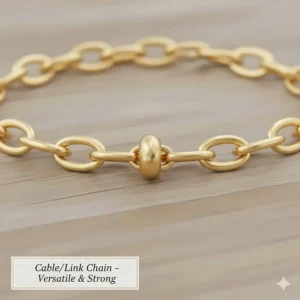
Cable chains have uniform links, either oval or round, with a single join on each side. This simplicity is actually their superpower. The uniform structure means stress distributes evenly across all links.
Strength Score: 8/10
Cable chains excel at resisting kinking and tangling. You can literally stuff one in your pocket, and it’ll come out relatively unscathed. They’re also incredibly easy to repair—any jeweler can fix a broken link in minutes.
However, thinner cable chains (under 1.5mm) can stretch over time with heavy pendants. This doesn’t mean they’ll break, but the chain gradually lengthens, which can look worn.
Box Chain Characteristics
Box chains are formed when flat wire is folded into a cube shape and then linked together. These square links create a smooth, modern aesthetic that catches light beautifully. As explained by Arden Jewelers’ chain guide, box chains have a sleek and simple look which pairs well with a modern aesthetic.
Strength Score: 7/10
Box chains offer excellent strength for their width, but they have an Achilles’ heel: stretching. The box chain can become stretched out if pulled too hard which makes it stiff and inflexible in spots. Once stretched, they’re difficult to restore to original condition.
The Verdict
For pure strength and longevity, cable chains edge out box chains slightly. But here’s the thing—both are excellent choices when properly matched to pendant weight. Choose cable for maximum durability and easy maintenance. Choose box for a sleeker, more contemporary look.
Rope Chain Necklace for Pendant Use: When to Choose This Classic
Rope chains deserve their own spotlight because they’re genuinely special. The twisted design isn’t just aesthetic—it’s functional engineering that’s been refined over centuries.
Why Rope Chains Work So Well
The twisted structure of rope chains creates a design that’s both flexible and strong. Unlike flat chains that can flip and twist, rope chains maintain their orientation naturally. This means your pendant always faces forward instead of spinning around to your back (we’ve all been there, right?).
As noted by jewelry experts at Borsheims, one of the most popular necklace chains, the rope chain provides a sought-after combination of durability and luxury. That’s not marketing speak—it’s based on the chain’s unique construction.
Best Pendant Matches for Rope Chains
Rope chains particularly excel with:
Religious medallions: The substantial presence complements traditional designs
Gemstone pendants: The texture doesn’t compete visually with sparkly stones
Larger bail openings: The thicker profile fits comfortably through bigger holes
Avoid pairing rope chains with ultra-modern, minimalist pendants—the texture clash can look dated rather than classic.
Sizing Considerations
Here’s a pro tip: rope chains appear thicker than their measured width because of the twisted structure. A 2mm rope chain looks closer to a 3mm cable chain. Keep this in mind when selecting a length—they make more visual impact than you might expect.
Pendant Compatible Chains: Matching Weight to Style
Let’s get practical about pendant compatible chains. I’ve created a simple framework that takes the guesswork out of matching.
The Weight-to-Width Formula
Lightweight Pendants (Under 5g): These include most small charms, delicate gemstones, and simple crosses. Pair with 0.8-1.5mm chains in any style. Both box and cable chains work beautifully here.
Medium Weight Pendants (5-15g): Think standard lockets, coin pendants, or small to medium gemstones. Choose 1.5-2.5mm chains. This is where material quality matters more—opt for solid sterling silver over hollow construction.
Heavy Pendants (15-30g): Large medallions, substantial gemstone pendants, or most men’s pendants fall here. Minimum 2.5mm width, preferably 3mm or thicker. Rope, curb, or heavy box chains are your best friends.
Statement Pendants (30g+): These need serious support. Go for 3.5mm+ heavy curb chains or thick rope chains. Don’t compromise here—the wrong chain will stretch or break.
Visual Balance Considerations
Weight isn’t everything. A dainty 1mm chain with a chunky 20g pendant won’t break, but it’ll look awkward. Aim for visual harmony:
- Delicate pendants (under 0.5″ diameter): 0.8-1.5mm chains
- Medium pendants (0.5-1″ diameter): 1.5-2.5mm chains
- Large pendants (1-2″ diameter): 2.5-3.5mm chains
- Statement pieces (2″+ diameter): 3.5mm+ chains
Material Coordination
Here’s something many people overlook: chain finish should complement your pendant metal. Shiny polished pendant? Choose polished chain. Brushed matte finish? Consider diamond-cut or textured chains that won’t look too shiny by comparison.
Chain Durability Comparison: What Lasts Longest?
After years of wearing, testing, and occasionally breaking various chains, I’ve developed a clear hierarchy of chain durability. Let’s break down which chains actually stand the test of time.
Chain Type vs. Pendant Weight: Compatibility Matrix
| Chain Type | Ultra-Light (<3g) | Light (3-8g) | Medium (8-15g) | Heavy (15-25g) | Very Heavy (25g+) |
|---|---|---|---|---|---|
| Snake Chain (0.8-1.5mm) | ✅ Excellent | ⚠️ Risky | ❌ Not Recommended | ❌ No | ❌ No |
| Cable Chain (1.5-2mm) | ✅ Perfect | ✅ Excellent | ✅ Good | ⚠️ Possible | ❌ No |
| Box Chain (2-2.5mm) | ✅ Great | ✅ Perfect | ✅ Excellent | ✅ Good | ⚠️ Possible |
| Rope Chain (2.5-3mm) | ✅ Good | ✅ Perfect | ✅ Perfect | ✅ Excellent | ✅ Good |
| Curb Chain (3mm+) | ⚠️ Overpowering | ✅ Good | ✅ Perfect | ✅ Perfect | ✅ Excellent |
Durability Rankings by Chain Type
Most Durable (10+ Years with Proper Care):
- Heavy curb chains (3mm+)
- Thick cable chains (2mm+)
- Rope chains (2.5mm+)
These workhorses can handle daily wear, including sleeping (though we don’t recommend it), showering (again, not ideal), and normal life stress.
Very Durable (5-10 Years):
- Box chains (2mm+)
- Medium cable chains (1.5-2mm)
- Wheat chains
Wheat chains have good flexibility and though they come in varying weights and profiles, thinner versions are suitable for use with pendants.
Moderately Durable (3-5 Years):
- Snake chains
- Thin box chains (under 1.5mm)
- Herringbone chains
These require more careful handling but offer beautiful aesthetics worth the extra attention.
Delicate (1-3 Years Heavy Use):
- Ultra-thin cable chains (under 1mm)
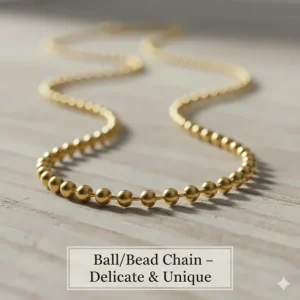
- Ball chains
- Decorative filigree chains
Perfect for special occasions or careful wearers, but not ideal for everyday pendants.
Factors That Impact Longevity
Hollow vs. Solid Construction: This is crucial. Hollow chains weigh less and cost less, but they’re significantly more fragile. They can dent, collapse, and are nearly impossible to repair. For pendant use, always choose solid construction.
Plating Considerations: Gold-plated or rhodium-plated chains look gorgeous initially, but plating wears off with friction from pendants. Sterling silver or solid gold (if budget allows) offer better long-term value.
Daily Wear Stress: Pendants create additional wear points where they slide along the chain. Textured chains (rope, wheat) distribute this wear better than smooth chains (snake, herringbone).
Maintenance Tips for Maximum Lifespan
Store chains flat or hanging, never tangled. Use anti-tarnish strips for silver chains. Remove before swimming, exercising, or showering. Have a jeweler inspect annually for weak links or clasp issues—catching problems early prevents pendant loss.
Chain Maintenance Requirements Comparison
| Chain Type | Tarnish Resistance | Repair Difficulty | Cleaning Frequency | Professional Service |
|---|---|---|---|---|
| Cable Chain | Medium | Easy ⭐ | Monthly polish | Annually |
| Box Chain | Medium | Moderate ⭐⭐ | Monthly polish | Every 6 months |
| Rope Chain | Good | Moderate ⭐⭐ | Every 2 months | Annually |
| Snake Chain | Medium | Difficult ⭐⭐⭐⭐ | Monthly gently | Every 6 months |
| Curb Chain | Good | Easy ⭐ | Every 2 months | Annually |
According to jewelry care experts at Sterling Forever, the key to maintaining your sterling silver chains is regular wear—the natural oils from your skin actually help preserve the metal’s luster.
How to Choose the Right Chain Length
Chain length transforms how a pendant sits and how you feel wearing it. I’ve seen people buy stunning pendant-chain combinations that looked all wrong simply because of length miscalculation.
Standard Length Guidelines
14-16 inches (Choker Length): Sits at the collarbone. Perfect for showing off pendants with low necklines. Not ideal for large pendants—they’ll sit too high and feel constricting. Best for small, delicate pieces.
18 inches (Princess Length): The universal favorite. Falls just below the collarbone on most people. Works with virtually any pendant size and most necklines. This is your safe bet if unsure.
20 inches: Hits around the collarbone/upper chest area. Ideal for medium to large pendants you want to showcase. Popular for men and those with broader frames.
24 inches and longer: These sit lower on the chest, perfect for statement pendants you want as a focal point. Great for layering with shorter chains too.
Body Type Considerations
Here’s the honest truth nobody talks about: standard lengths don’t work the same for everyone. Petite frames? Subtract 2 inches from typical recommendations. Tall or plus-size? Add 2 inches. That 18″ “princess length” might actually be a choker on you.
The String Test
Want to nail your perfect length? Grab string and scissors. Cut pieces at different lengths, try them on with your pendant, and measure what works. No guessing, no returns—just perfect fit.
Sterling Silver vs Gold: Material Matters for Pendants
The eternal question: sterling silver or gold chains? Both work beautifully for pendants, but each has distinct advantages worth considering.
Sterling Silver Advantages
Affordability: You get substantial quality for reasonable prices. A solid 2mm sterling silver chain might cost $30-50 compared to $300-500 for equivalent gold.
Versatility: Silver complements virtually any pendant material—gemstones, enamel, glass, other metals. It’s the chameleon of chain metals.
Availability: More chain styles exist in sterling silver, giving you greater design options.
Maintenance Reality: Yes, silver tarnishes. But modern anti-tarnish coatings and proper storage minimize this significantly. A quick polish every few months keeps it gleaming.
Gold Chain Benefits
Longevity: Solid gold (10K, 14K, 18K) doesn’t tarnish or require polishing. True “set and forget” jewelry.
Hypoallergenic: Pure gold causes zero skin reactions. Sterling silver is usually fine, but some people develop sensitivity to the copper alloy.
Value Retention: Gold maintains resale value. Your chain is both jewelry and investment.
Prestige: Let’s be honest—there’s something special about gold. It elevates even simple pendants.
Plated Options: Worth It?
Gold-plated silver offers a middle ground. You get the gold look at silver prices. However, plating wears off with pendant friction, especially at contact points. For occasional wear pendants, fine. For daily wear? Invest in solid metal.
Making Your Final Chain Selection
You’ve made it through the technical details, product comparisons, and practical considerations. Now it’s decision time. Here’s how to pull all this information together into your perfect choice.
Start with Your Pendant
Lay out your pendant and honestly assess it. What does it weigh? (Use a kitchen scale if unsure—most pendants under 5g feel surprisingly light.) What’s the bail opening size? What style is it—modern, traditional, casual, formal?
Your pendant answers most questions about which chain you need. A delicate vintage locket? That Kooljewelry rope chain or thin cable chain. A chunky modern pendant? That 3mm box chain. Let your pendant guide you.
Consider Your Lifestyle
Be real about how you’ll actually wear this. Daily wear demands durability—choose cable or box chains in solid construction. Special occasions only? You can opt for more delicate snake or thin rope chains.
Do you lose things? Invest in quality chains with secure lobster clasps. Meticulous about jewelry care? You can handle more delicate options requiring gentle treatment.
Budget Wisely
More expensive doesn’t always mean better for your specific needs. That $50 Italian box chain is gorgeous, but if you need something for everyday wear with a simple pendant, the $20 Amazon Essentials option performs the task beautifully.
Conversely, don’t cheap out on chains for valuable pendants. A $300 heirloom deserves better than a $10 chain that might fail.
The Touch Test
If possible, examine chains in person before buying (even if you purchase online later). How does it feel? Too delicate? Too chunky? Your intuition about weight and quality is usually right.
Online shopping? Read reviews carefully for mentions of actual weight and quality. Customer photos often reveal more than product shots.
FAQ: Your Pendant Chain Questions Answered
❓ What is the strongest chain for a heavy pendant?
❓ Can I wear my pendant chain in the shower?
❓ How do I prevent my chain from tangling with my pendant?
❓ What chain width should I choose for a 10-gram pendant?
❓ Are hollow chains suitable for daily pendant wear?
Conclusion: Your Perfect Pendant Chain Awaits
Finding the best chain necklace types for pendants isn’t about following rigid rules—it’s about understanding the interplay between strength, style, and personal preference. Whether you choose the reliable versatility of a cable chain, the modern elegance of a box chain, or the classic beauty of a rope chain necklace for pendant display, you’re now equipped to make an informed decision.
Remember the core principles: match chain width to pendant weight, prioritize solid construction for daily wear, and don’t sacrifice security for style when it matters. The cable chain vs box chain strength debate? Both win when properly sized. The key is knowing your specific needs.
Your pendant deserves a partner that showcases its beauty while providing reliable support. With this guide’s insights on chain durability comparison, pendant compatible chains, and real product recommendations, you can confidently select a chain that serves you beautifully for years.
Trust your research, consider your lifestyle, and choose the chain that makes you excited to wear your favorite pendant every day. That’s when you’ve found the perfect match.
Recommended for You
- 7 Best Diamond Pendant Necklaces 2026
- 7 Best Gold Chain Necklace for Women 2026
- 7 Best Personalized Bar Necklace Gold Engraved in 2026
Disclaimer: This article contains affiliate links. If you purchase products through these links, we may earn a small commission at no additional cost to you.
✨ Found this helpful? Share it with your friends! 💬🤗
