In This Article
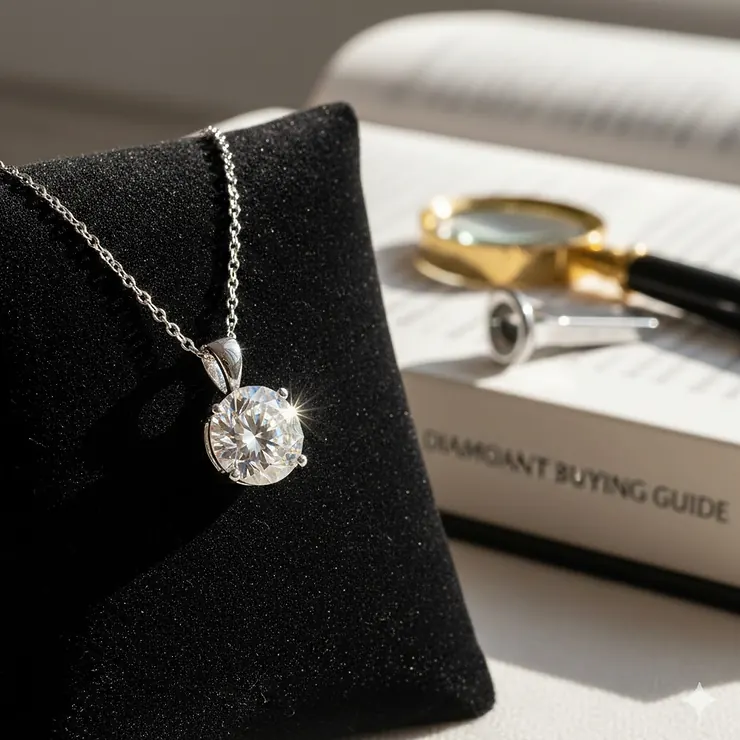
Shopping for a diamond pendant necklace buying guide shouldn’t feel overwhelming. You’re about to make a purchase that could become a cherished heirloom, something you’ll wear for decades. The sparkle of diamonds has captivated hearts for centuries, but today’s market offers more choices than ever before—from lab-grown alternatives to natural stones, from classic solitaires to intricate cluster designs.
Here’s what most buyers don’t realize: a $500 pendant with excellent cut quality can outshine a $2,000 piece with poor proportions. The secret lies in understanding what makes diamonds truly brilliant. Whether you’re treating yourself or selecting a gift for someone special, this diamond pendant necklace buying guide will walk you through every critical decision point.
In 2026, the jewelry landscape has evolved dramatically. Lab-grown diamonds now match the quality of mined stones at fraction of the cost, making luxury accessible. Amazon has emerged as a surprisingly reliable source for certified diamond jewelry, with brands like Ross-Simons, The Diamond Channel, and Dazzlingrock Collection offering authenticated pieces with transparent grading. This guide cuts through the marketing noise to help you find authentic value, whether you’re spending $150 or $1,500.
Quick Comparison Table
| Brand | Carat Weight | Metal | Price Range | Best For |
|---|---|---|---|---|
| Ross-Simons Lab-Grown | 0.33-0.75 ct | Sterling Silver | $150-$300 | Budget-conscious buyers |
| The Diamond Channel | 0.25-1.0 ct | 14K Gold | $400-$1,200 | Natural diamond seekers |
| Dazzlingrock Collection | 0.37 ct | 10K Rose Gold | $200-$350 | Romantic heart designs |
| Amazon Essentials | 0.25 ct | Sterling Silver | $80-$120 | First-time buyers |
| Jewelili | 0.10-1.0 ct | 10K Gold/Sterling | $100-$450 | Versatile everyday wear |
| Madina Jewelry | 0.55 ct | 14K White Gold | $300-$500 | Modern bar pendants |
| Houston Diamond District | 1.0+ ct | 14K Gold | $600-$1,500 | Statement pieces |
💬 Just one click – help others make better buying decisions too! 😊
Top 7 Diamond Pendant Necklaces: Expert Analysis
1. Ross-Simons 0.33 Carat Lab-Grown Diamond Solitaire Necklace
The Ross-Simons 0.33 Carat Lab-Grown Diamond Solitaire represents exceptional value in the entry-luxury segment. This piece features a round brilliant-cut lab-grown diamond (G-H color, VS2-SI1 clarity) set in sterling silver with a 16-inch cable chain.
Key Specifications:
- Lab-grown diamond with identical properties to natural stones
- Four-prong setting for maximum light performance
- Springring clasp for security
Lab-grown diamonds have become game-changers. They’re chemically identical to earth-mined diamonds but cost 40-60% less. Customers consistently praise this piece for its everyday wearability. One verified buyer noted the diamond’s clarity exceeded expectations, with no visible inclusions even under close inspection.
✅ Pros:
- Ethical sourcing guaranteed
- Excellent sparkle for the price
- Hypoallergenic sterling silver
❌ Cons:
- Sterling silver requires occasional polishing
- Lab-grown resale value lower than natural
Price Range: $180-$250
Best For: Eco-conscious shoppers seeking maximum carat weight on a budget
2. The Diamond Channel NATURAL Diamond 4-Prong Pendant Necklace
The Diamond Channel delivers museum-quality craftsmanship with this 14K gold solitaire. Each diamond is independently certified by the American Gemological Institute, providing transparency rare in this price bracket (I2-I3 clarity, P-Q color).
Key Specifications:
- Available in yellow or white 14K gold
- 16-inch chain with 2-inch extender
- USA-manufactured with 3-step quality inspection
What sets The Diamond Channel apart is their rigorous selection process. They source rough diamonds from ethical mines, cut them with advanced technology to maximize brilliance, then grade through independent labs. While the clarity and color grades fall into budget categories, the expert cutting compensates beautifully.
Customer feedback highlights the substantial feel of solid 14K gold versus gold-plated alternatives. The adjustable chain length accommodates different necklines, making it versatile for both casual and formal occasions.
✅ Pros:
- Natural diamond with certification
- Solid 14K gold construction
- Made in USA
❌ Cons:
- Lower clarity/color grades
- Higher price point
Price Range: $450-$850
Best For: Those preferring natural diamonds with verified provenance
3. Dazzlingrock Collection 0.37 Cttw Lab Grown Diamond Heart Pendant
The Dazzlingrock Collection Heart Pendant combines romantic design with modern sustainability. This 10K rose gold piece features 0.37 carats of lab-grown white diamonds arranged in a cluster heart formation.
Key Specifications:
- 10K solid rose gold (not plated)
- Round brilliant-cut lab diamonds
- 18-inch gold chain included
Rose gold has surged in popularity over the past decade, and for good reason. The warm pink hue flatters all skin tones and creates a vintage-romantic aesthetic. The cluster setting means multiple small diamonds work together to create impressive sparkle, often appearing larger than a single stone of equivalent weight.
Lab-grown diamonds in this piece share identical optical and chemical properties with mined gems. The Dazzlingrock Collection backs products with a 100% satisfaction guarantee, addressing common concerns about online jewelry purchases.
✅ Pros:
- Trendy rose gold setting
- Eco-friendly lab diamonds
- Gift-ready packaging
❌ Cons:
- Cluster settings harder to clean
- Rose gold may not suit all styles
Price Range: $220-$320
Best For: Romantic gifts and vintage-inspired jewelry lovers
4. Amazon Essentials Diamond 3 Stone Heart Pendant Necklace
The Amazon Essentials Diamond 3 Stone Heart delivers remarkable value at under $100. This sterling silver necklace features 0.25 cttw of natural diamonds in an open-heart design with three dangling center stones.
Key Specifications:
- 0.25 total carat weight natural diamonds
- 18-inch rolo chain with lobster clasp
- Conflict-free diamond compliance (Kimberley Process)
Don’t let the affordable price fool you. Amazon Essentials maintains strict quality standards, and this piece proves it. The three-stone design creates beautiful movement, catching light from multiple angles as you move. The open-heart setting feels modern rather than overly traditional.
Reviews mention this necklace punches above its weight class aesthetically. The sterling silver shows minimal tarnishing with proper care, and the diamonds, while small, display genuine sparkle. It’s proof that smart buying trumps big spending.
✅ Pros:
- Exceptional price-to-quality ratio
- Natural diamonds under $100
- Movement creates dynamic sparkle
❌ Cons:
- Small diamond size
- Basic packaging
Price Range: $85-$115
Best For: Budget shoppers and first-time diamond buyers
5. Jewelili 10K Yellow Gold Heart Pendant Necklace
Jewelili’s 1 CTTW Heart Pendant stands out for delivering a full carat of natural diamonds in 10K yellow gold—impressive specifications for mid-range pricing.
Key Specifications:
- 1.0 total carat weight natural white diamonds
- 10K solid yellow gold setting
- 18-inch rope chain included
One full carat represents a psychological threshold in diamond jewelry. While these are smaller diamonds arranged in a cluster rather than a single large stone, the visual impact remains substantial. The classic rope chain adds texture and interest beyond standard cable chains.
Yellow gold creates timeless elegance and requires less maintenance than white metals. It’s also hypoallergenic for most wearers. Jewelili’s conflict-free sourcing and 30-day return policy provide peace of mind for online purchases.
Customer testimonials frequently mention receiving compliments, with many assuming the piece cost significantly more. The substantial gold weight prevents the cheap, lightweight feel common in heavily discounted jewelry.
✅ Pros:
- Full carat total weight
- Solid 10K gold durability
- Conflict-free certification
❌ Cons:
- Cluster vs single stone
- Yellow gold not everyone’s preference
Price Range: $380-$480
Best For: Those seeking maximum diamond weight in gold settings
6. Ross-Simons 0.75 Carat Lab-Grown Diamond Solitaire
The Ross-Simons 0.75 Carat Solitaire represents the sweet spot for serious diamond necklaces without crossing into luxury territory. This substantial lab-grown stone sits in sterling silver with a 20-inch chain.
Key Specifications:
- 0.75 carat single lab-grown diamond
- Four-prong solitaire setting
- Extended 20-inch chain length
Three-quarter carat represents significant visual presence. At this size, you’re entering territory where cut quality becomes paramount—poor proportions become increasingly obvious. Ross-Simons’ expertise shows in their selection of well-cut stones that maximize brilliance.
The longer 20-inch chain creates a more dramatic drop, ideal for V-neck and scoop-neck garments. Lab-grown diamonds at this size demonstrate cost advantages most clearly: an equivalent natural diamond would cost 2-3 times more.
✅ Pros:
- Substantial diamond size
- Excellent value proposition
- Professional four-prong setting
❌ Cons:
- Sterling silver vs gold
- Lab-grown resale considerations
Price Range: $280-$350
Best For: Maximum diamond size with verified quality
7. Madina Jewelry 0.55 ct Diamond Bar Pendant
The Madina Jewelry Bar Pendant brings contemporary minimalism to diamond necklaces. This 14K white gold horizontal bar features 0.55 carats of round brilliant diamonds (G color, SI-1 clarity).
Key Specifications:
- G color, SI-1 clarity natural diamonds
- 14K white gold bar setting
- 16-inch cable chain with solid bale
Bar pendants represent modern elegance, moving away from traditional round or heart shapes. The horizontal orientation creates a sleek, architectural look that layers beautifully with other necklaces. At G color and SI-1 clarity, these diamonds exceed many competitors’ specifications.
G color sits comfortably in the “near colorless” range, appearing white to the naked eye. SI-1 clarity means inclusions exist but remain invisible without magnification—the ideal balance of quality and value. The solid bale construction ensures longevity.
✅ Pros:
- Modern bar design
- Superior G/SI-1 grading
- Solid 14K white gold
❌ Cons:
- Higher price point
- Bar style not for traditionalists
Price Range: $420-$550
Best For: Contemporary style enthusiasts seeking quality grading
Understanding the Diamond Quality 4Cs
Before diving deeper into selection strategies, you need fluency in the language of diamonds. The 4Cs system—developed by the Gemological Institute of America in the 1940s—transformed diamond evaluation from vague descriptions into scientific standards.
Cut: The Most Critical Factor
Cut determines how effectively a diamond interacts with light. A masterfully cut diamond creates that mesmerizing sparkle everyone recognizes. Poor cutting, regardless of other factors, produces dull stones that fail to impress.
GIA Cut Grades:
- Excellent: Maximum light return, exceptional brilliance
- Very Good: Superior sparkle with slight variations
- Good: Respectable quality, some light leakage
- Fair/Poor: Noticeable dullness, avoid these grades
Prioritize excellent or very good cuts. A smaller, well-cut diamond outshines a larger, poorly-cut stone every time. This is where lab-grown diamonds often excel—their consistent material allows cutters to achieve ideal proportions more reliably.
Color: The Subtle Spectrum
Diamond color grades run from D (colorless) to Z (light yellow). Most people can’t distinguish between adjacent grades without professional comparison.
Practical Color Guidance:
- D-F (Colorless): Premium pricing, minimal visual advantage
- G-H (Near Colorless): Excellent value, appears white
- I-J (Near Colorless): Budget-friendly, slight warmth
- K-Z: Noticeable yellow tint, specialty market
For pendants under 1 carat in yellow gold settings, I-J grades work beautifully. White gold or platinum settings benefit from G-H or better grades. Remember: larger diamonds show color more readily.
Clarity: Invisible Imperfections
Clarity measures internal inclusions and external blemishes. Here’s the secret: most clarity differences are invisible to naked eyes.
Clarity Scale:
- FL/IF (Flawless): Extremely rare, museum pieces
- VVS1-VVS2: Minute inclusions, expert magnification needed
- VS1-VS2: Minor inclusions, invisible to naked eye
- SI1-SI2: Slight inclusions, often eye-clean
- I1-I3: Included, visible imperfections
For pendants, SI1 represents the sweet spot. These diamonds appear flawless without magnification while costing significantly less than VS grades. I2-I3 grades, common in budget pieces, may show visible flaws but can work if cut and size compensate.
Carat: Weight vs. Size
Carat measures weight (0.20 grams = 1 carat), not physical size. Two diamonds of identical weight can appear different sizes based on cut proportions.
Smart Carat Strategies:
- Buy just below “magic numbers” (0.45 instead of 0.50, 0.90 instead of 1.00)
- Consider total carat weight in cluster settings
- Remember: brilliance trumps size
A well-cut 0.75 carat often looks larger than a poorly-cut 1.0 carat. The depth-to-diameter ratio matters enormously for visual presence.
Certified vs Non-Certified Diamonds: Worth the Premium?
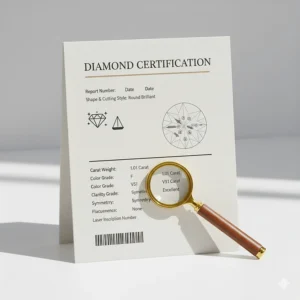
Certification from GIA (Gemological Institute of America) or IGI (International Gemological Institute) provides third-party verification of diamond characteristics. Here’s when certification matters most:
Always Seek Certification When:
- Purchasing diamonds over 0.50 carats
- Buying natural (not lab-grown) stones
- Spending over $500
- Concerned about resale value
Certification Less Critical For:
- Small diamonds in cluster settings
- Budget pieces under $200
- Lab-grown diamonds (consistency higher)
Certification costs add $50-$150 to final prices. For inexpensive pendants, in-house grading often suffices. For investment pieces, insist on GIA or AGS certification.
Best Diamond Necklace Brands on Amazon
Amazon has evolved into a legitimate diamond marketplace. These brands consistently deliver quality:
Premium Tier ($500-$2,000)
- Ross-Simons: 70+ years in business, excellent customer service
- The Diamond Channel: USA manufacturing, AGI certification
- LE VIAN: Designer pieces, distinctive chocolate diamonds
Mid-Range ($200-$500)
- Dazzlingrock Collection: Wide selection, solid construction
- Jewelili: Conflict-free sourcing, 30-day returns
- Amazon Collection: Amazon’s in-house brand, reliable quality
Budget-Friendly (Under $200)
- Amazon Essentials: Best value-to-quality ratio
- Gem Stone King: Natural and lab-grown options
- Houston Diamond District: Emerging brand, competitive pricing
Look for verified purchase reviews, detailed specifications, and clear return policies. Avoid listings with stock photos or vague descriptions.
Affordable Diamond Pendant Under 500: Maximum Value Strategies
Finding exceptional diamond pendants under $500 requires strategic trade-offs. Here’s where smart buyers save without sacrificing beauty:
Strategy 1: Embrace Lab-Grown Diamonds
Lab-grown diamonds offer identical optical and chemical properties at 40-60% savings. The Federal Trade Commission recognizes them as real diamonds. For $500, you can access 0.75-1.0 carat lab-grown stones versus 0.25-0.35 carat natural equivalents.
Strategy 2: Optimize the 4Cs Hierarchy
Prioritize in this order:
- Cut: Never compromise—stick with excellent/very good
- Color: G-H sweet spot, I-J for yellow gold
- Carat: Buy just below thresholds
- Clarity: SI1 appears identical to VS grades
Strategy 3: Choose Smart Metal Options
- Sterling Silver: 1/10th the cost of gold, suitable for occasional wear
- 10K Gold: More durable than 14K, less expensive
- Gold Vermeil: Sterling silver with thick gold plating, budget luxury
Strategy 4: Consider Three-Stone or Cluster Designs
Multiple smaller diamonds create visual impact matching larger solitaires while costing less. A 0.75 cttw cluster of well-cut stones often sparkles more intensely than a single 0.75 ct diamond.
Diamond Clarity Grades: The Eye-Clean Advantage
Understanding clarity grades prevents overspending on invisible quality. Here’s what each grade means in practical terms:
| Grade | Description | Visibility | Value Rating |
|---|---|---|---|
| FL/IF | No inclusions | Never visible | Poor (overpaying) |
| VVS1-VVS2 | Minute inclusions | Invisible 10x | Fair (premium cost) |
| VS1-VS2 | Minor inclusions | Invisible naked eye | Good (quality + value) |
| SI1-SI2 | Slight inclusions | Often eye-clean | Excellent (best value) |
| I1-I3 | Included | Usually visible | Variable (inspect carefully) |
The Eye-Clean Test: If you can’t see inclusions without magnification, higher clarity adds no beauty—only cost. Most SI1 diamonds are completely eye-clean, especially in pendant sizes under 1 carat.
Inclusion Position Matters: Inclusions near edges or hidden under prongs impact appearance less than those directly under the table (top facet). Ask sellers for inclusion maps when buying online.
Metal Choices: Gold Purity and Alternatives
Gold Karats Explained
- 24K: Pure gold, too soft for jewelry
- 18K: 75% gold, rich color, more expensive
- 14K: 58% gold, ideal durability-value balance
- 10K: 42% gold, most durable, budget-friendly
Metal Comparison
| Metal | Durability | Maintenance | Price Point | Best For |
|---|---|---|---|---|
| Platinum | Excellent | Low | Highest | Heirlooms |
| 18K Gold | Good | Medium | High | Luxury pieces |
| 14K Gold | Very Good | Low | Medium | Everyday wear |
| 10K Gold | Excellent | Very Low | Budget | Active lifestyles |
| Sterling Silver | Fair | High | Lowest | Occasional use |
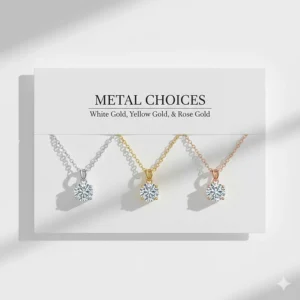
Pro Tip: White gold requires rhodium plating every 1-2 years to maintain brightness. Platinum develops a patina but never needs replating—it’s the ultimate set-it-and-forget-it metal.
Lab-Grown vs Natural Diamonds: The Modern Debate
The emergence of lab-grown diamonds has transformed the jewelry industry. Here’s an objective comparison:
Lab-Grown Diamond Advantages
✅ Identical physical and optical properties
✅ 40-60% lower pricing
✅ Guaranteed ethical sourcing
✅ Often superior clarity/color at same price
✅ Environmentally sustainable production
Lab-Grown Diamond Considerations
❌ Lower resale value (currently)
❌ Some prefer natural rarity
❌ Potential future price declines
❌ Less romantic origin story
Natural Diamond Advantages
✅ Traditional value retention
✅ Rarity and natural formation
✅ Historical and emotional significance
✅ Investment potential
Natural Diamond Considerations
❌ Environmental impact concerns
❌ Higher pricing
❌ Ethical sourcing requires diligence
❌ Lower specifications at same price
Bottom Line: For budget-conscious buyers prioritizing size and quality, lab-grown diamonds deliver exceptional value. For those valuing tradition, rarity, or potential resale, natural diamonds remain preferred despite higher costs.
Pendant Settings and Styles Guide
Classic Solitaire
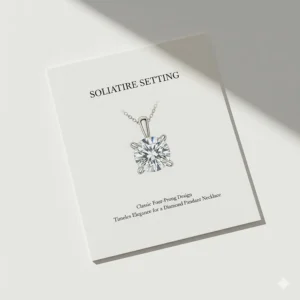
The timeless choice features a single diamond in a four or six-prong setting. Maximizes light entry for optimal brilliance. Perfect for showcasing exceptional stones.
Best For: Traditional aesthetics, investment pieces, engagement pendants
Halo Setting
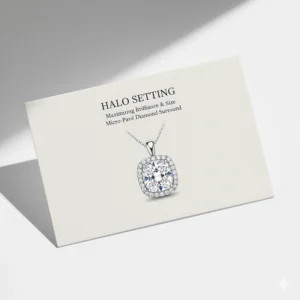
A center diamond surrounded by smaller accent stones creates amplified sparkle and perceived size. Adds vintage or glamorous appeal.
Best For: Maximizing visual impact, vintage lovers, romantic gifts
Three-Stone Design
Represents past, present, and future. Three diamonds of graduated or equal sizes create balanced beauty.
Best For: Anniversary gifts, symbolic jewelry, modern elegance
Cluster Setting
Multiple small diamonds grouped together create visual impact matching larger solitaires at lower cost.
Best For: Budget shoppers, maximizing sparkle per dollar, trendy designs
Bezel Setting
Diamond encircled by metal offers superior protection and contemporary aesthetics. Lower profile ideal for active wear.
Best For: Active lifestyles, modern minimalism, durability priority
Chain Length and Style Considerations
Chain length dramatically affects pendant presentation. Here’s what works best:
Length Guide
- 16 inches: Sits at collarbone, princess length, most common
- 18 inches: Drops slightly below collarbone, versatile
- 20 inches: Falls near neckline, dramatic drop
- 24 inches: Extended length, statement pieces
Chain Styles
Cable Chain: Classic links, durable, timeless
Rope Chain: Textured, substantial, vintage appeal
Box Chain: Smooth, contemporary, sleek
Rolo Chain: Round links, sturdy, casual
Pro Tip: Adjustable chains with 2-inch extenders accommodate different necklines and preferences. Choose based on your typical clothing style—high necklines suit longer chains, while low necklines showcase shorter lengths.
Care and Maintenance for Diamond Pendants
Proper maintenance preserves brilliance and prevents damage. Follow these expert guidelines:
Daily Care
- Remove before showering, swimming, or exercising
- Apply perfumes and lotions before wearing
- Store separately in soft pouches
- Avoid harsh chemicals (bleach, chlorine)
Cleaning Routine
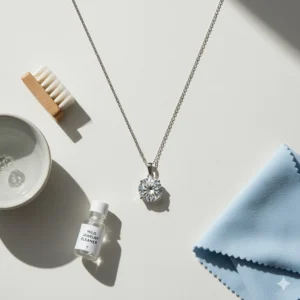
Weekly: Warm water + gentle dish soap + soft toothbrush
Monthly: Professional ultrasonic cleaning (free at most jewelers)
Yearly: Professional inspection of settings and clasps
Storage Tips
Store diamonds separately—they can scratch other jewelry. Fabric-lined boxes or individual pouches prevent tangling and damage. Avoid extreme temperature changes.
When to Seek Professional Help
- Loose stones or wobbly settings
- Visible damage to metal
- Cloudy appearance despite cleaning
- Bent prongs or distorted settings
Most jewelers offer free inspections and cleaning with purchase. Take advantage annually to prevent costly repairs.
✨ Don’t Miss These Exclusive Deals!
🔍 Take your diamond jewelry collection to the next level with these carefully selected products. Click on any highlighted item to check current pricing and availability. These pieces will help you create authentic sparkle and elegance your family will admire for generations!
Common Diamond Pendant Buying Mistakes
Avoid these pitfalls that cost buyers thousands annually:
Mistake 1: Prioritizing Carat Over Cut
Big but poorly-cut diamonds look dull. A 0.50 ct excellent-cut stone outshines a 0.75 ct poor-cut every time.
Mistake 2: Overpaying for Invisible Quality
VS1 vs SI1 clarity appears identical to naked eyes. Save hundreds by choosing wisely.
Mistake 3: Ignoring Metal Quality
Gold-plated jewelry tarnishes quickly. Invest in solid gold or sterling silver for longevity.
Mistake 4: Skipping Certification on Expensive Pieces
Without third-party verification, you’re trusting seller claims. Insist on GIA/AGS certification over $500.
Mistake 5: Buying Magic Weight Numbers
0.50 ct diamonds cost 20-30% more than 0.45 ct despite negligible visual difference.
Mistake 6: Forgetting Lifestyle Compatibility
Active lifestyles require durable settings and metals. Delicate designs suit special occasions only.
Mistake 7: Neglecting Return Policies
Jewelry looks different in person versus photos. Ensure at least 30-day returns with free shipping.
How to Verify Diamond Authenticity
Protect yourself from fraud with these verification methods:
Professional Certification
GIA, AGS, or IGI reports provide definitive proof. Request report numbers and verify online through official databases.
At-Home Tests
Fog Test: Breathe on diamond—real stones disperse fog instantly
Loupe Inspection: 10x magnification reveals natural inclusions
Weight Test: Diamonds feel heavier than glass or cubic zirconia
Heat Test: Diamonds disperse heat rapidly (professional only)
Red Flags
- No return policy
- Vague specifications (“high quality”)
- Stock photos only
- Prices too good to be true
- No certifications on expensive pieces
Purchase Protection: Use credit cards for buyer protection. Document everything with photos and emails.
Diamond Pendant Necklaces for Different Occasions
Everyday Wear
Choose durable settings (bezel, flush), 10-14K gold, 0.25-0.50 ct size. Prioritize comfort and security.
Recommendations: Simple solitaires, subtle bezels, classic cable chains
Special Occasions
Larger stones (0.75+ ct), premium metals (14-18K gold, platinum), statement designs.
Recommendations: Halos, three-stone, designer pieces
Professional Settings
Conservative designs, moderate sizes (0.25-0.50 ct), classic metals, minimal flash.
Recommendations: Traditional solitaires, understated bezels, pearl accents
Evening Events
Maximum sparkle, halo or cluster settings, longer chains (20-24″), dramatic presence.
Recommendations: Statement halos, vintage designs, colored diamond accents
Gifts
Consider recipient’s style, opt for classic designs over trends, include certification, choose returnable pieces.
Recommendations: Heart shapes, birthstone accents, customizable options
Investment Value and Resale Considerations
Understanding diamond value retention informs smarter purchases:
What Holds Value Best
- Natural diamonds over 0.50 ct
- Excellent/Very Good cut grades
- GIA/AGS certification
- Classic designs (solitaires, three-stone)
- Platinum or 14K+ gold settings
Poor Resale Categories
- Cluster settings (difficult to grade)
- Trending designs (date quickly)
- Low clarity grades (I2-I3)
- Gold-plated or vermeil
- Lab-grown diamonds (currently)
Reality Check: Most jewelry resells for 30-50% of retail. Buy for enjoyment, not investment. Exception: rare stones over 2 carats with exceptional grading.
FAQ: Diamond Pendant Necklace Buying Guide
❓ How much should I spend on a diamond pendant necklace?
❓ Are lab-grown diamonds real diamonds?
❓ What diamond clarity grade is best for pendants?
❓ Should I choose white gold, yellow gold, or rose gold?
❓ How often should I clean my diamond pendant necklace?
Conclusion: Making Your Diamond Pendant Choice
Choosing the perfect diamond pendant necklace buying guide has equipped you with insider knowledge that levels the playing field. You now understand that a strategically selected $400 pendant can outshine a carelessly chosen $1,500 piece. The secret lies in balancing the 4Cs, understanding your priorities, and recognizing genuine value.
Remember these key takeaways as you shop: Cut quality matters most—it’s the difference between dazzling brilliance and disappointing dullness. Lab-grown diamonds deliver identical beauty at superior value. SI1 clarity appears flawless without microscopes. Buying just below “magic numbers” saves 20-30% while maintaining visual presence.
Whether you choose the Ross-Simons lab-grown solitaire for ethical sparkle, The Diamond Channel’s certified natural diamond for traditional prestige, or Jewelili’s full-carat cluster for maximum impact, confidence comes from informed decisions. This diamond pendant necklace buying guide has transformed complex gemology into actionable knowledge.
Your perfect pendant awaits—one that reflects both your style and your values. Armed with these insights, you’ll bypass common mistakes, recognize authentic quality, and invest in pieces that bring joy for decades. The sparkle you seek isn’t just in the diamond; it’s in the confidence of choosing wisely.
Recommended for You
- 7 Best Gold Chain Necklace for Women 2026
- 7 Best Personalized Bar Necklace Gold Engraved in 2026
- 7 Best Gold Paperclip Chain Necklace Trendy 2026 You Need
Disclaimer: This article contains affiliate links. If you purchase products through these links, we may earn a small commission at no additional cost to you.
✨ Found this helpful? Share it with your friends! 💬🤗
