In This Article
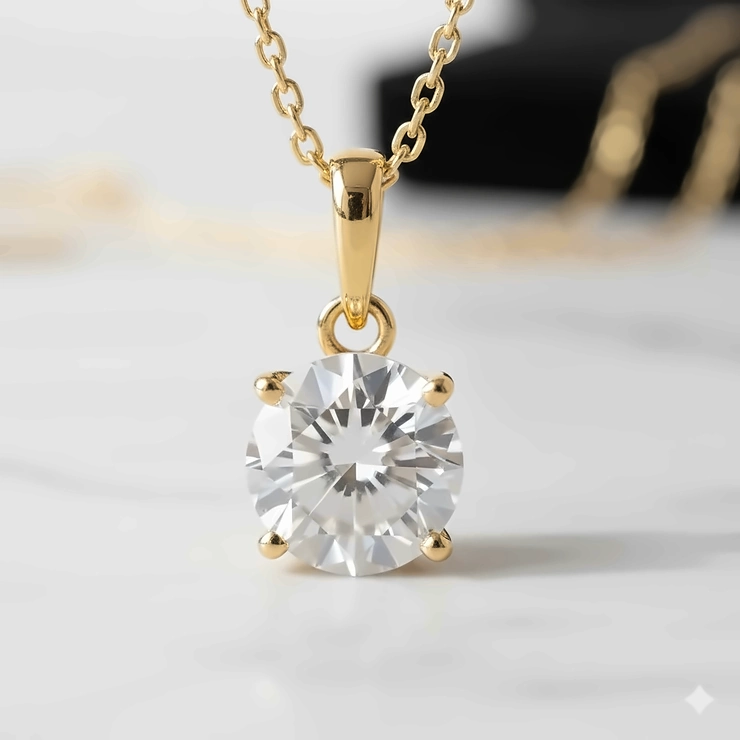
There’s something undeniably captivating about a diamond solitaire pendant necklace 14k gold draped elegantly around your neck. I remember the first time I saw my grandmother’s vintage solitaire pendant catching the afternoon light—it was like watching tiny rainbows dance across the room. That single, brilliant diamond suspended in warm gold has remained the epitome of understated luxury for generations.
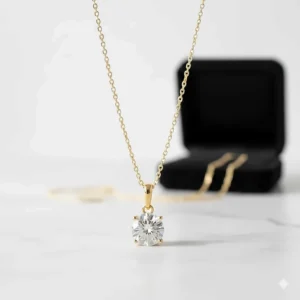
Whether you’re shopping for a milestone anniversary, searching for that perfect everyday sparkle, or looking to invest in a genuine diamond pendant that’ll outlive fashion trends, you’ve landed in the right place. The beauty of a solitaire diamond necklace for women gift lies in its versatility—it transitions seamlessly from boardroom presentations to romantic dinners without missing a beat.
Today’s market offers everything from budget-friendly certified diamond pendant necklace options starting around $200 to breathtaking GIA certified diamond necklace pieces commanding premium prices. The challenge? Navigating through countless choices to find that sweet spot between quality, authenticity, and value. This comprehensive guide cuts through the marketing fluff to help you discover the perfect round cut diamond solitaire that’ll make your heart skip a beat—and perhaps more importantly, one that won’t make your wallet weep.
Quick Comparison Table
| Product | Carat Weight | Gold Type | Certification | Price Range | Best For |
|---|---|---|---|---|---|
| FINEROCK 1/2 Carat | 0.50 ct | 14k Rose Gold | IGI Certified | $400-$600 | Mid-range elegance |
| Diamond Wish 3/5 Carat | 0.60 ct | 14k White Gold | GIA Standards | $500-$700 | Classic brilliance |
| SZUL 1 Carat | 1.00 ct | 14k Yellow/White | Certified | $800-$1,200 | Statement piece |
| Carbon Atelier 1 Carat | 1.00 ct | 14k White Gold | IGI Certified | $600-$900 | Ethical luxury |
| FINEROCK 1/4 Carat | 0.25 ct | 14k Rose Gold | IGI Certified | $200-$350 | Budget-friendly |
| Houston Diamond District 0.5 | 0.50 ct | 14k Rose Gold | G Color SI2 | $350-$550 | Princess cut option |
| Diamondere 0.30 Carat | 0.30 ct | 14k White Gold | IGI Certified | $300-$500 | Tension mount style |
💬 Just one click – help others make better buying decisions too!😊
Top 7 Diamond Solitaire Pendant Necklace 14k Gold: Expert Analysis
1. FINEROCK 1/2 Carat Diamond Solitaire Pendant in 14K Rose Gold
The FINEROCK Half Carat Solitaire represents what I call the “Goldilocks zone” of diamond pendants—not too flashy, not too modest, just right for everyday elegance. This IGI certified diamond necklace features a bezel-set round cut diamond solitaire that measures 5.8mm in width, offering substantial presence without overwhelming your neckline.
The G-H color rating means you’re getting a near-colorless stone that appears beautifully white to the naked eye, while the I1-I2 clarity keeps costs reasonable without sacrificing visible brilliance. Customers consistently praise how the rose gold setting adds warmth that flatters virtually every skin tone—something white gold simply can’t match.
Key Specifications:
- 0.50 carat natural diamond
- Bezel setting for maximum durability
- Includes silver chain with lobster clasp
Customer Feedback: Buyers appreciate the substantial feel and secure setting, though some note the included silver chain could be replaced with a matching 14k gold chain for a more cohesive look.
✅ Pros:
- IGI certification provides peace of mind
- Bezel setting protects stone edges
- Rose gold complements all skin tones
❌ Cons:
- Silver chain instead of gold
- I1-I2 clarity shows minor inclusions under magnification
2. Diamond Wish Solitaire Diamond Pendant 14k White Gold (3/5 cttw)
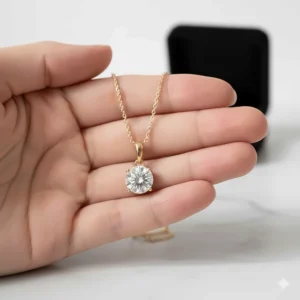
For those who appreciate classic 4-prong settings, the Diamond Wish 3/5 Carat Pendant delivers museum-quality craftsmanship. This genuine diamond pendant showcases a 0.60 carat round brilliant cut stone in a basket setting that maximizes light reflection from every angle.
What sets Diamond Wish apart? Their 40+ years of experience hand-selecting diamonds in Downtown Los Angeles. Each stone undergoes rigorous inspection to ensure it meets their sparkle and fire standards—not just technical specifications on paper.
Key Specifications:
- H-I color, I2-I3 clarity
- 4-prong basket setting
- 18-inch box chain included
Customer Feedback: The overwhelming sentiment? This solitaire diamond necklace for women gift punches well above its weight class. The sparkle factor rivals more expensive options, though clarity-conscious buyers should note visible inclusions under bright lighting.
✅ Pros:
- Exceptional brilliance and fire
- Handcrafted in the USA
- 18-inch gold chain included
❌ Cons:
- Lower clarity grade
- May show inclusions in direct sunlight
3. SZUL Certified 1 Carat Diamond Solitaire Pendant 14K Gold
If you’re ready to make a statement, the SZUL 1 Carat Solitaire is your ticket to turning heads. This certified diamond pendant necklace delivers the psychological impact of a full carat—the threshold many consider “serious jewelry.”
Available in both yellow and white 14k gold, SZUL’s two-decade track record speaks volumes. Their gemologists hand-select each stone, and the included laboratory evaluation report verifies authenticity. The 4-prong basket setting elevates the diamond to catch maximum light, creating that coveted “disco ball” effect.
Key Specifications:
- Full 1.00 carat diamond weight
- J-K color, I2-I3 clarity
- Choice of yellow or white gold
Customer Feedback: Buyers rave about the substantial presence and excellent value proposition. The J-K color shows a slight warmth that some adore (especially in yellow gold) while others prefer cooler tones.
✅ Pros:
- Full carat delivers impressive presence
- Laboratory certified for authenticity
- Excellent value for size
❌ Cons:
- J-K color shows slight warmth
- Lower clarity grade
4. Carbon Atelier IGI Certified 1 Carat Lab Diamond Pendant 14k White Gold
Here’s where traditional meets innovation. The Carbon Atelier 1 Carat Lab Diamond offers ethical luxury without compromise. This GIA certified diamond necklace alternative features an IGI-certified lab-grown diamond with I-J color and VS1-VS2 clarity—significantly better clarity than most natural diamonds at this price point.
The 3-prong martini setting is sleek and contemporary, allowing the stone’s brilliance to take center stage. Lab-grown diamonds share identical physical and chemical properties with natural diamonds, making them indistinguishable to the naked eye (and even most gemologists without specialized equipment).
Key Specifications:
- 1.00 carat lab-grown diamond
- VS1-VS2 clarity (superior grade)
- 18-inch chain with lobster claw clasp
Customer Feedback: Environmentally conscious buyers love the ethical sourcing, while quality-focused shoppers appreciate the superior clarity at a fraction of natural diamond costs.
✅ Pros:
- Excellent VS1-VS2 clarity
- Conflict-free guaranteed
- Modern martini setting
❌ Cons:
- Lab-grown (some prefer natural)
- Resale value lower than natural diamonds
5. FINEROCK 1/4 Carat Diamond Solitaire Pendant 14K Rose Gold
Don’t let the quarter-carat size fool you—the FINEROCK 1/4 Carat Pendant delivers surprising impact. This budget-friendly certified diamond pendant necklace proves you don’t need to spend a fortune for daily elegance.
The bezel setting on this round cut diamond solitaire provides exceptional durability, making it ideal for active lifestyles. At 3.8mm width, it’s delicate enough for layering with other necklaces yet substantial enough to wear solo.
Key Specifications:
- 0.25 carat natural diamond
- G-H color, I1-I2 clarity
- IGI certified
Customer Feedback: Perfect starter piece for younger recipients or those testing diamond jewelry preferences before committing to larger purchases.
✅ Pros:
- Exceptional value for money
- Durable bezel setting
- Includes silver chain
❌ Cons:
- Smaller size less visible from distance
- Silver chain may tarnish over time
6. Houston Diamond District 0.5 Carat Princess Cut Pendant 14K Rose Gold
For those who march to their own beat, the Houston Diamond District Princess Cut offers geometric glamour. This genuine diamond pendant features a princess (square) cut rather than the traditional round, creating sharp, modern brilliance.
The G color and SI2 clarity strike an excellent balance between visibility and value. Princess cuts are known for exceptional sparkle due to their 58 facets—the same as round brilliants—but often cost 20-30% less per carat.
Key Specifications:
- 0.50 carat princess cut
- G Color, SI2 Clarity
- 4-prong setting
Customer Feedback: Buyers who want something different from the standard round solitaire adore the contemporary aesthetic. The 16-inch chain sits higher on the collarbone for a modern look.
✅ Pros:
- Unique princess cut shape
- Excellent G color grade
- Contemporary styling
❌ Cons:
- Princess cuts show inclusions more readily
- Corners can chip if hit
7. Diamondere IGI Certified 0.30 Carat Tension Mount Pendant 14k White Gold
The Diamondere Tension Mount Pendant represents cutting-edge design meeting traditional craftsmanship. This certified diamond pendant necklace uses tension setting—where the diamond appears to float between two metal ends with no visible support underneath.
Custom-made by accredited gemologists, each piece comes with a free certificate and arrives in Diamondere’s signature red jewelry box. Their 128-year legacy (yes, you read that right—since 1890) means you’re buying from one of the industry’s most established names.
Key Specifications:
- 0.30 carat natural diamond
- Tension mount setting
- Free 180-day warranty
Customer Feedback: The optical illusion of a floating diamond captures attention like no traditional setting can. However, tension mounts require occasional professional adjustment to maintain proper stone security.
✅ Pros:
- Unique floating appearance
- 128-year brand legacy
- 30-day money-back guarantee
❌ Cons:
- Requires occasional professional maintenance
- Setting not ideal for active wear
✨ Don’t Miss These Exclusive Deals!
🔍 Take your jewelry collection to the next level with these carefully selected products. Click on any highlighted item to check current pricing and availability. These elegant pieces will help you create authentic sparkle your loved ones will cherish forever!
Understanding Diamond Certifications: What GIA and IGI Really Mean
When shopping for a 1 carat diamond solitaire necklace, you’ll encounter terms like “GIA certified” and “IGI certified” thrown around like confetti at a wedding. But what do these certifications actually guarantee, and are they worth the premium?
The Gemological Institute of America (GIA) is widely considered the gold standard in diamond grading. Established in 1931, GIA developed the 4Cs grading system (Cut, Color, Clarity, Carat) that’s now universally accepted. When you see a GIA certified diamond necklace, you’re getting a stone that’s been examined by at least four highly trained gemologists who independently grade each characteristic.
Here’s the catch most retailers won’t tell you—GIA certification adds 10-20% to the purchase price. For budget-conscious shoppers, the International Gemological Institute (IGI) offers respected certification at lower costs. IGI is particularly popular for lab-grown diamonds and provides consistent, reliable grading that’s widely accepted in European and Asian markets.
What Certification Really Protects You From:
- Misrepresented diamond quality
- Synthetic stones sold as natural (unless specifically disclosed)
- Treated diamonds without disclosure
- Inaccurate carat weight claims
According to research on diamond certification, certified diamonds maintain better resale value and are easier to insure. However, certification alone doesn’t guarantee beauty—a poorly cut diamond with perfect certification still won’t sparkle like a well-cut stone with slightly lower grades.
The Science Behind 14k Gold: Why It’s Perfect for Daily Wear
You might wonder why most jewelers recommend 14k gold over higher purities for a diamond solitaire pendant necklace 14k gold. The answer lies in metallurgy and practicality.
Pure 24-karat gold is essentially butter in metal form—beautiful but utterly impractical for jewelry that’ll actually get worn. It scratches if you look at it sideways and bends under pressure you wouldn’t think twice about.
The 14k Sweet Spot: 14-karat gold contains 58.3% pure gold (14 parts gold out of 24) mixed with 41.5% other metals like copper, silver, zinc, and sometimes nickel. This alloy achieves what pure gold cannot—durability that stands up to daily wear while maintaining that warm, golden glow we associate with quality jewelry.
Color Variations in 14k Gold:
- Yellow Gold: Traditional alloy with copper and silver, creating that classic warm tone
- White Gold: Mixed with palladium and silver, then rhodium-plated for a platinum-like finish
- Rose Gold: Higher copper content creates that romantic pinkish hue
The most practical advantage? A genuine diamond pendant in 14k gold resists scratching far better than 18k or 24k gold. This means your round cut diamond solitaire will look stunning decades from now, not just the first few months. Plus, 14k gold is less likely to trigger metal sensitivities compared to lower-karat options that contain higher percentages of nickel.
Size Matters: Finding Your Perfect Carat Weight
The eternal question when choosing a 1 carat diamond solitaire necklace: how big should you go? The answer involves more nuance than most jewelry guides admit.
The Psychological Carat Thresholds:
- 0.25-0.33 carats: Delicate everyday pieces, perfect for younger wearers or layering
- 0.50 carats: The versatility champion—noticeable without screaming for attention
- 0.75-1.00 carats: Statement territory where people definitely notice
- 1.00+ carats: Premium category that signals serious investment
Here’s what nobody tells you—visual carat weight depends dramatically on setting style and your body proportions. A 0.50-carat diamond in a halo setting can appear larger than a 0.75-carat solitaire. Similarly, if you have a smaller frame, a 0.50-carat stone might provide more balanced proportions than a full carat.
The Price Jump Phenomenon: Diamond pricing isn’t linear—it’s exponential. A 1.00-carat diamond costs significantly more than twice a 0.50-carat diamond of the same quality. This happens because larger rough diamonds are rarer, and carat weight operates on specific psychological thresholds (0.50, 0.75, 1.00, etc.).
For the savvy shopper, consider stones just below these thresholds. A 0.95-carat diamond looks virtually identical to a 1.00-carat stone but costs 15-20% less. Similarly, a 0.48-carat diamond delivers the same visual impact as 0.50 at a better price point.
Color and Clarity: The Truth About What You Actually See
Let’s bust some myths about diamond grading that jewelry stores perpetuate because it boosts their margins. When shopping for a certified diamond pendant necklace, understanding what your eyes can actually perceive versus what exists under 10x magnification will save you thousands.
The Color Reality Check: The GIA color scale runs from D (colorless) to Z (light yellow/brown). Here’s the insider secret—most people cannot distinguish between D, E, F, and G color grades without direct comparison under controlled lighting. For yellow gold settings, colors up to J still appear beautifully white because the warm metal tone masks any yellowish tint.
Color Grades Decoded:
- D-F (Colorless): Premium prices for imperceptible differences
- G-H (Near Colorless): Best value—appears colorless to untrained eyes
- I-J (Near Colorless): Excellent in yellow gold settings
- K-M (Faint Color): Budget-friendly, warmth barely visible
Clarity: What Actually Matters: The clarity scale measures inclusions (internal flaws) and blemishes (surface imperfections). Here’s the game-changer—diamonds graded SI1 or SI2 (Slightly Included) are considered “eye-clean,” meaning no visible imperfections to the naked eye.
Paying premium prices for VVS1 or VVS2 (Very Very Slightly Included) clarity means you’re essentially buying an upgrade that requires magnification to appreciate. Unless you’re a gemologist with a loupe permanently attached to your face, save your money.
Smart Shopping Formula: For a GIA certified diamond necklace that looks exceptional while protecting your budget: prioritize G-H color with SI1-SI2 clarity. Allocate saved funds toward better cut quality—because cut affects brilliance more than any other factor.
Setting Styles: How Your Diamond Gets Secured (and Why It Matters)
The setting isn’t just about aesthetics—it’s the engineering that keeps your investment safely attached to your necklace. When evaluating a round cut diamond solitaire, understanding setting mechanics helps you choose wisely.
The Four Major Setting Types:
1. Prong Settings (The Classic) Four or six metal claws grip your diamond’s crown, elevating it above the setting. This maximizes light entry and exit, creating maximum brilliance. However, prongs require periodic inspection—they can wear down or catch on clothing.
2. Bezel Settings (The Protector) A metal rim completely encircles your diamond’s perimeter. This offers superior protection for active lifestyles but reduces light entry slightly. Modern bezel designs minimize this trade-off while providing serious durability.
3. Tension Settings (The Showstopper) Two metal ends hold the diamond through compression, creating that stunning floating effect. These require expert craftsmanship and periodic professional adjustment to maintain proper tension.
4. Basket Settings (The Hidden Foundation) Metal underneath the diamond creates a basket-like structure, often combined with prongs on top. This adds stability and prevents the pointed bottom (culet) from poking your chest.
The Chain Connection: Pay attention to the bail—the loop connecting pendant to chain. Larger diamonds need more substantial bails to distribute weight properly. Flimsy bails on heavy pendants equal disaster waiting to happen.
Comparison Table: Natural vs. Lab-Grown Diamonds
| Feature | Natural Diamond | Lab-Grown Diamond |
|---|---|---|
| Chemical Composition | 100% carbon | 100% carbon (identical) |
| Visual Appearance | Brilliant sparkle | Identical to natural |
| Hardness (Mohs Scale) | 10 | 10 |
| Price Point | Premium ($800-$1,200/carat) | Budget-Friendly ($300-$600/carat) |
| Certification | GIA, IGI, AGS | IGI (most common) |
| Resale Value | Higher, established market | Lower, developing market |
| Environmental Impact | Mining required | Lab-created, reduced footprint |
| Rarity | Naturally scarce | Technically unlimited |
Chain Length Matters More Than You Think
Here’s something most guides completely overlook—chain length dramatically affects how your solitaire diamond necklace for women gift sits on the body and captures light.
The Chain Length Psychology:
- 16 inches: Sits at the collarbone, best for smaller frames or layering
- 18 inches: Falls just below the collarbone, most universally flattering length
- 20 inches: Rests at the hollow of the throat, ideal for broader frames or over clothing
- 24 inches: Opera length, creates dramatic effect or allows for doubling
Pro Tip: If buying a gift and you’re unsure of the recipient’s preference, 18 inches is the safest bet. It works for most necklines and body types.
Chain Style Considerations: Cable chains (interlocking round or oval links) are the most common and provide good durability. Box chains (square links) offer a more contemporary look and tend to lay flatter against the skin. Avoid delicate chains with heavy pendants—the weight stress causes premature wear.
Many certified diamond pendant necklace options include adjustable chains with multiple clasps or extender chains. This flexibility proves invaluable as styling preferences change or you decide to layer multiple pieces.
Price Range Analysis: What You’re Actually Paying For
Let’s talk money. When shopping for a diamond solitaire pendant necklace 14k gold, understanding pricing mechanics helps you negotiate better and identify genuine value.
Budget Tier ($200-$400): Expect 0.20-0.35 carat diamonds with I-J color and I1-I2 clarity in basic settings. These pieces deliver sparkle without breaking the bank—perfect for testing whether you’ll actually wear diamond jewelry regularly before committing to serious money.
Mid-Range Tier ($400-$800): This sweet spot gets you 0.40-0.70 carat diamonds with G-H color and SI1-SI2 clarity. Settings become more sophisticated, and certification becomes standard. The majority of buyers land here because the quality-to-price ratio hits its peak.
Premium Tier ($800-$1,500): Full carat or larger diamonds with superior color (F-G) and clarity (VS2-SI1) dominate this category. Craftsmanship quality jumps noticeably—expect finer detailing and more secure settings.
Luxury Tier ($1,500+): Here you’re paying for exceptional characteristics—D-F color, VVS clarity, superior cuts. Also factors in designer names, custom work, or particularly rare settings.
The Hidden Costs Nobody Mentions:
- Insurance: 1-2% of appraised value annually
- Professional cleaning: $50-100/year (or free at many jewelers)
- Prong retipping: $40-80 every 3-5 years
- Chain replacement: $100-300 if original breaks
✨ Don’t Miss These Exclusive Deals!
🔍 Take your jewelry collection to the next level with these carefully selected products. Click on any highlighted item to check current pricing and availability. These stunning pieces will help you create authentic elegance that lasts generations!
Gift-Giving Strategy: When to Buy What
Timing your purchase of a solitaire diamond necklace for women gift can significantly impact both price and sentiment.
Anniversary Milestones:
- 1st Anniversary: 0.25-0.33 carat pieces symbolize new beginnings
- 5th Anniversary: 0.50 carat marks half-decade together
- 10th Anniversary: 1.00+ carat celebrates serious commitment
- 25th Anniversary: Upgrade or replace with premium quality
Seasonal Shopping Wisdom: January and July typically see the best jewelry sales as retailers clear inventory post-holiday and mid-year. Black Friday and Cyber Monday offer genuine discounts, though selection may be limited. Avoid buying during peak romance seasons (Valentine’s Day, Christmas) unless you’re comfortable paying 15-20% premiums.
The Proposal Alternative: For those wanting engagement ring budgets to stretch further, consider proposing with a certified diamond pendant necklace instead. Later, upgrade to a matching ring when finances allow. This unconventional approach is gaining traction among practical couples.
Care and Maintenance: Making Your Investment Last Decades
A genuine diamond pendant in 14k gold can literally outlive you with proper care. Here’s how to protect your investment.
Daily Wear Guidelines: Remove your necklace before sleeping—the chain can tangle or catch. Take it off before showering; soap residue dulls diamond brilliance and certain chemicals can discolor gold over time. Apply perfume, hairspray, and lotion before putting on your jewelry—these products leave films that reduce sparkle.
Cleaning Protocol: Every 2-3 weeks, soak your round cut diamond solitaire in warm water with mild dish soap for 20-30 minutes. Gently scrub with a soft toothbrush, paying special attention to the setting’s underside where oils accumulate. Rinse thoroughly and pat dry with a lint-free cloth.
Professional Maintenance: Visit a jeweler annually for professional inspection. They’ll check prong integrity, retighten settings if needed, and perform ultrasonic cleaning that removes buildup from areas you can’t reach. Most jewelers offer this service free or under $20 for customers.
Storage Secrets: Store your GIA certified diamond necklace separately from other jewelry to prevent scratching. Use soft pouches or lined jewelry boxes with individual compartments. Never toss it in a drawer with other pieces—diamonds can scratch gold, and gold can scratch softer stones.
Insurance Considerations: Get your certified diamond pendant necklace professionally appraised and add it to your homeowner’s or renter’s insurance policy. Replacement cost coverage typically runs 1-2% of appraised value annually. Keep all original documentation, certificates, and receipts in a safe place.

How to Spot Fake Diamonds and Gold
Unfortunately, the market contains its share of counterfeits. Protect yourself with these verification techniques.
Diamond Authenticity Tests: The “fog test” provides a quick home check—breathe on the diamond and watch how fast the fog dissipates. Real diamonds clear instantly due to high heat conductivity; fakes stay foggy for seconds. The “newspaper test” involves placing the diamond table-down on printed text; if you can read through it, it’s likely fake (real diamonds refract too much light to see through).
However, these home tests aren’t foolproof with modern simulants. The only certain verification comes from professional testing with thermal probes or electrical conductivity devices.
Gold Verification: Look for hallmark stamps indicating “14K,” “585” (the millesimal fineness of 14k gold), or “14KP” (plumb gold, guaranteeing at least 14/24 purity). These stamps should appear clearly somewhere on the metal.
The magnet test helps identify fake gold—real gold isn’t magnetic. However, this won’t catch gold-plated items with non-magnetic bases. Nitric acid testing provides more certainty but requires professional application to avoid damage and safety hazards.
Red Flags When Shopping:
- Prices dramatically below market value for claimed specifications
- Sellers refusing to provide certification or documentation
- Vague descriptions avoiding specific clarity and color grades
- “Too good to be true” deals from unknown online sellers
- No clear return policy or buyer protection
When buying a certified diamond pendant necklace, always verify certification numbers through the issuing laboratory’s website. GIA and IGI both maintain online databases where you can confirm report authenticity.
Sustainable and Ethical Sourcing: What You Need to Know
The diamond industry’s environmental and ethical considerations have gained significant attention. Here’s what matters when choosing a 1 carat diamond solitaire necklace.
Conflict-Free Certification: The Kimberley Process Certification Scheme tracks diamonds from mine to market, preventing “blood diamonds” from funding conflicts. However, critics argue it has loopholes. For maximum assurance, choose diamonds with additional certifications like the Responsible Jewellery Council (RJC) verification.
Lab-Grown Alternative: Lab-created diamonds offer guaranteed conflict-free sourcing and significantly lower environmental impact—no mining required. They’re chemically, physically, and optically identical to natural diamonds. The primary trade-off? Lower resale value and the lack of geological rarity some buyers value.
Recycled Gold: Many jewelers now offer 14k gold made partially or entirely from recycled sources. This reduces mining demand and environmental degradation while maintaining identical quality. Ask retailers about their sourcing practices—transparency indicates ethical commitment.
Artisanal Mining Support: Some companies partner with small-scale miners following fair labor practices. These programs provide better wages and working conditions than industrial mining operations. While slightly more expensive, they create positive community impact.
Customization Options Worth Considering
Many retailers offer customization that transforms a standard genuine diamond pendant into a deeply personal treasure.
Engraving Opportunities: The pendant’s back or the chain itself can accommodate engraved messages, dates, or initials. Keep text brief—space is limited. Script fonts generally work better than block letters for readability.
Diamond Shape Alternatives: While round cut diamond solitaire pendants dominate, princess (square), cushion (rounded square), pear (teardrop), and emerald (rectangular) cuts offer distinctive aesthetics. Each shape affects brilliance differently—round and cushion maximize sparkle, while emerald emphasizes clarity.
Mixed Metal Designs: Combining 14k gold types (white, yellow, rose) in a single piece creates unique visual interest. Some designers incorporate small accent diamonds flanking the main stone or decorative metalwork around the setting.
Custom Setting Creation: Working with jewelers to design unique settings allows complete personalization. Expect to pay 20-30% premiums for custom work, plus extended production time (4-8 weeks typical). However, the result is truly one-of-a-kind.
Layering and Styling Your Diamond Pendant
A solitaire diamond necklace for women gift doesn’t exist in jewelry isolation. Strategic styling maximizes its impact.
The Layering Rules: Start with your longest chain (diamond pendant typically) as the foundation. Add shorter chains in odd numbers (3 or 5 looks better than 2 or 4). Vary chain styles and pendant sizes to create visual interest without overwhelming.
Neckline Pairing: V-necks and scoop necks showcase pendants beautifully. High collars work better with longer chains (20+ inches) that sit below the fabric. Strapless or off-shoulder styles let shorter chains (16-18 inches) shine.
Occasion Adaptation: Business settings: Keep it simple with the pendant alone on an 18-inch chain. Formal events: Layer with subtle additional chains or pair with matching earrings. Casual wear: Mix with different metals and styles for contemporary bohemian flair.
Metal Mixing: Modern styling embraces mixing gold colors. A round cut diamond solitaire in white gold pairs beautifully with a rose gold chain or yellow gold bracelet. The key? Intentional contrast rather than accidental mismatch.
Common Buying Mistakes to Avoid
Learn from others’ expensive errors when purchasing a certified diamond pendant necklace.
Mistake #1: Prioritizing Carat Over Cut A poorly cut 1.00-carat diamond looks duller than a well-cut 0.75-carat stone. Cut determines brilliance—always prioritize cut quality over size.
Mistake #2: Buying Uncertified “Bargains” That amazing deal on a “1-carat diamond” without certification is probably a cubic zirconia or significantly lower-quality stone than claimed. Certification costs are trivial compared to potential losses from fraud.
Mistake #3: Ignoring Lifestyle Compatibility Delicate settings and active lifestyles don’t mix. If you’re hands-on with hobbies, work, or childcare, choose bezel settings over fragile prong designs.
Mistake #4: Wrong Chain Length Buying a beautiful pendant on a chain that sits awkwardly on the recipient’s body ruins the entire effect. When uncertain, choose adjustable chains or purchase chains separately after trying on.
Mistake #5: Overlooking Return Policies Jewelry is subjective. Always buy from retailers offering at least 30-day returns. Online purchases should include free return shipping—no exceptions.
Mistake #6: Falling for “Sale” Illusions Many jewelry stores run permanent “sales” with inflated regular prices. Research comparable pieces across multiple retailers to identify genuine value.
❓ Frequently Asked Questions
❓ How can I tell if my diamond solitaire pendant necklace 14k gold is real?
❓ What's the difference between GIA certified diamond necklace and IGI certified options?
❓ Can I wear my 1 carat diamond solitaire necklace every day?
❓ How do I choose between natural and lab-grown certified diamond pendant necklace?
❓ What chain length works best for a round cut diamond solitaire?
Conclusion: Making Your Perfect Choice
Choosing the right diamond solitaire pendant necklace 14k gold ultimately comes down to balancing quality, budget, and personal style. Whether you’re drawn to the warm romance of rose gold with a half-carat stone, the classic elegance of a full-carat GIA certified diamond necklace in white gold, or the ethical appeal of lab-grown options, the perfect piece exists within your reach.
Remember the fundamentals we’ve covered: prioritize cut quality over mere carat weight, understand that G-H color and SI1-SI2 clarity offer exceptional value, and never compromise on certification. The setting should match your lifestyle—bezel for active wear, prongs for maximum brilliance.
Your certified diamond pendant necklace represents more than jewelry; it’s a wearable investment that can appreciate in sentimental value across generations. Take your time researching, verify all claims, and choose sellers with strong return policies and customer reviews.
The seven products we’ve analyzed represent the best combination of quality, value, and availability in 2026’s market. From budget-friendly quarter-carat beauties to statement-making full-carat showstoppers, there’s a genuine diamond pendant waiting to become part of your story—or someone else’s unforgettable gift moment.
Start with our comparison table, identify your must-have features, and don’t be afraid to ask jewelers tough questions about sourcing, certifications, and warranties. Your perfect solitaire diamond necklace for women gift is out there, ready to catch the light and capture hearts for decades to come.
Recommended for You
- 7 Best Miami Cuban Link Chain Necklace Real Gold 2025 Guide
- 7 Best Bee Necklace Options That’ll Make You Buzz with Joy (2025 Guide)
- 7 Best Sunflower Necklace Gold Options That Shine in 2025
Disclaimer: This article contains affiliate links. If you purchase products through these links, we may earn a small commission at no additional cost to you.
✨ Found this helpful? Share it with your friends! 💬🤗
